| 12kW Solar Array | 3 Batteries Installed | 72kWh Daily Consumption | $4,214 Year 1 Savings |
Project Overview
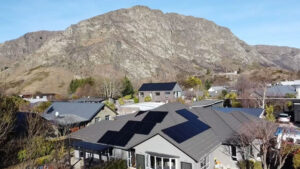
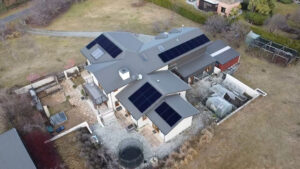
Home battery backup NZ systems do two jobs at once: they cut the power bill and they keep the lights on when the grid goes down. This Mount Cargill home uses around 72kWh a day and faced an annual electricity bill of about $9,690. Future Energy designed a 12kW solar array using 24 Trina panels, paired with a SolaX VAST 10kW hybrid inverter and three batteries, projected to cut that bill to roughly $5,480. That saves $4,214 in year one, with lifetime savings estimated at $119,136 over 25 years and a payback period of 5 years and 11 months.
The Challenge
At 72kWh a day, this household uses several times the electricity of a typical home, and at a flat rate of 35c per kWh the bills add up quickly. A large share of that use happens in the evening and overnight, when solar panels produce nothing. The homeowners also wanted grid resilience, with the confidence that the home would stay powered through an outage. The system needed to store enough solar to shift power use into the evening while keeping backup power ready at all times.
The System
24 Trina Panels at 12kW
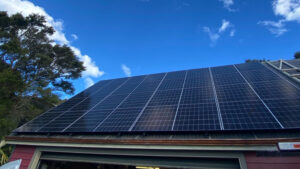
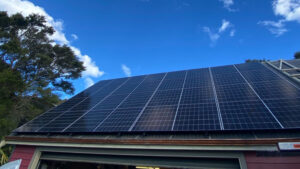
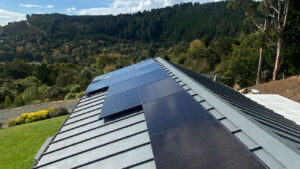
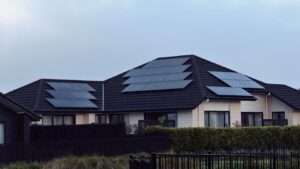
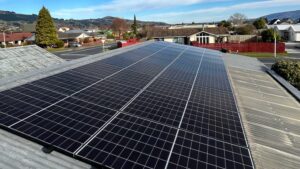
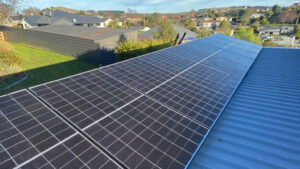
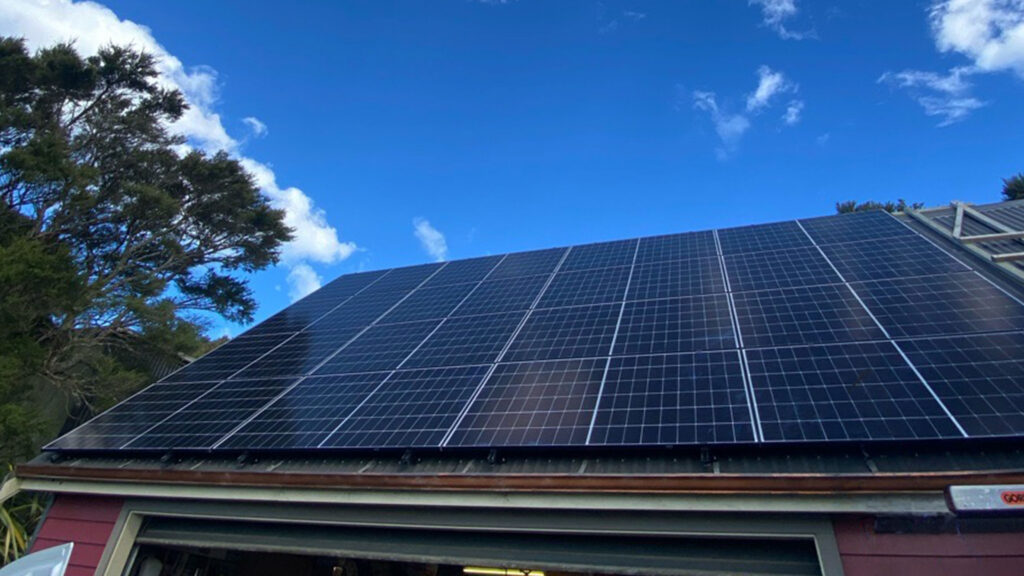
The system uses 24 Trina TSM 500NEG18R.28 panels for a combined array output of 12kW on a single north facing roof section at a 23 degree tilt. The array is expected to generate around 13,776kWh a year, or about 38kWh a day, after allowing for estimated shading losses of 10.8%.
SolaX X1 VAST 10K Hybrid Inverter
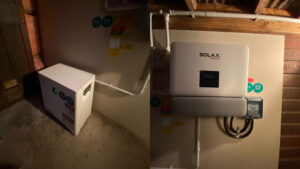
A SolaX X1 VAST 10K hybrid inverter manages the solar array and the batteries together. It has dual battery ports for expansion, whole home backup output with switchover in under 10 milliseconds, and is V2G/V2H and VPP ready for future smart energy integration, so the system can grow as the household’s needs change.
Three Batteries for Storage and Backup
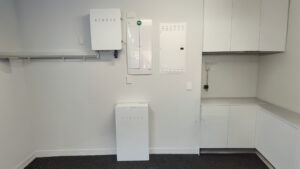
Three batteries store surplus solar for use in the evening and overnight, and provide backup power during a grid outage. Modelling shows 66% of the solar generated is used on site, with 14.2% stored in the batteries and only 19.8% exported to the grid, which still earns an estimated $409 a year in export credits.
The Results
- 12kW solar array with a SolaX VAST 10kW hybrid inverter and three batteries
- Annual power bill projected to fall from around $9,690 to roughly $5,480
- Year 1 savings of $4,214, made up of $3,800 in grid energy savings plus $409 in export credits
- 42% of the household’s energy use self powered, with 66% of solar generation used on site
- Estimated lifetime savings of $119,136 and a payback period of 5 years and 11 months
- An 18.04% internal rate of return, a net present value of $71,065 and 1.7 tonnes of CO2 avoided each year
- Whole home backup power if the grid goes down
Lower bills, and power that keeps going when the grid doesn’t.
Frequently Asked Questions
Can a home battery keep my house powered during an outage?
Yes, with the right inverter. The SolaX VAST used here supports whole home backup with switchover in under 10 milliseconds, so when the grid drops the batteries take over almost instantly and the home stays powered.
Is a battery worth it for a home with very high power use?
Often, yes. The more electricity a home uses in the evening and overnight, the more value storage adds, because stored solar replaces grid power bought at the full retail rate. For this Mount Cargill home using 72kWh a day, the system is projected to save $4,214 in year one.
How long does a solar and battery system take to pay for itself?
This system is projected to pay for itself in 5 years and 11 months, based on year one savings of $4,214. Over 25 years, estimated savings reach $119,136, with an 18.04% internal rate of return.
What does V2G/V2H and VPP ready mean?
It means the inverter is built to support future features like using an electric vehicle battery to power the home or grid, and joining virtual power plant programmes. Those features can be enabled as the technology and local programmes become available, without replacing the inverter.
Facing large power bills or worried about outages? Future Energy designs home battery backup NZ systems sized to your real consumption, so you can see the savings and the resilience before you commit. Get in touch for a free assessment.