| 11.875kW Solar Array | 18kWh Battery Storage | 7kW EV Charger | 70c/kWh Peak Export Rate |
Project Overview
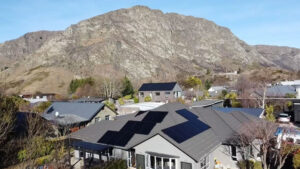
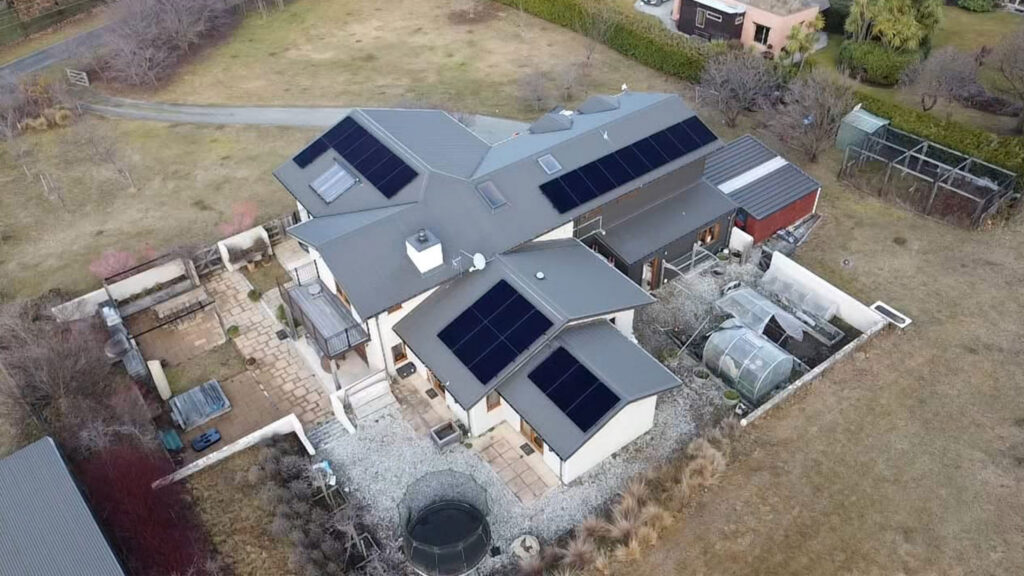
Solar battery storage NZ systems don’t just save money on the way in anymore, and Ralph’s home in Arrowtown is a great example of the value now available on the way out. Future Energy installed 25 bifacial Longi panels for an 11.875kW solar array, split across four different roof faces, paired with a 10kW SigEnergy inverter and 18kWh of SigEnergy battery storage. A SigEnergy gateway gives Ralph full home backup in a power outage, and a 7kW AC EV charger lets him charge his car straight from the sun. The standout feature is what happens next: through the Octopus Labs Queenstown Lakes battery flexing scheme with Aurora, Ralph can export stored power back to the grid at 70c per kWh during peak discharge windows, well above the 8 to 18c per kWh most solar exporters earn.
The Challenge
With a roof split across four different faces, the first challenge was designing an array that performed well regardless of which direction each section pointed, rather than compromising the whole system around the weakest face. The bigger opportunity, though, was making the most of where Ralph lives: Arrowtown sits within the Queenstown Lakes area covered by Octopus Energy’s battery flexing scheme, which pays a sharply higher rate for battery exports during specific peak windows. Sizing the right amount of battery storage to take advantage of that scheme, while still delivering full home backup, was the real brief.
The System
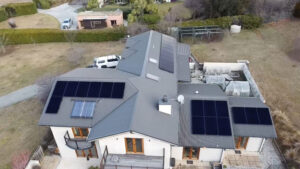
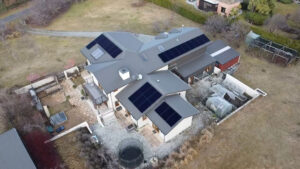
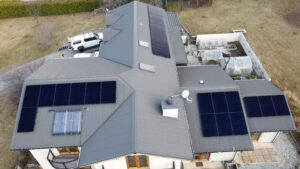
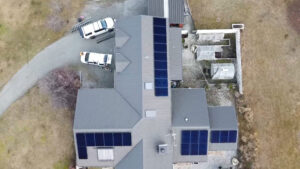
25 Bifacial Longi Panels at 11.875kW, Four Roof Faces
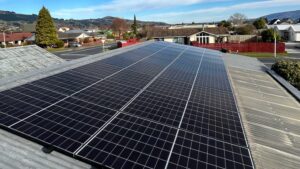
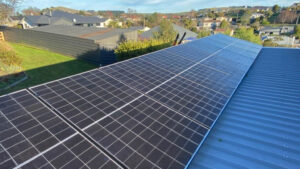
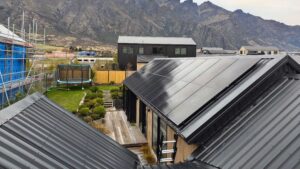
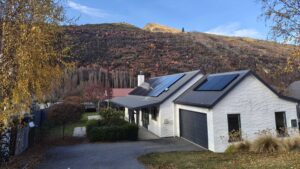
The system uses 25 x 475W bifacial Longi panels for a combined array output of 11.875kW, split across four separate roof faces to capture usable generation from multiple orientations through the day rather than relying on a single north facing plane.
10kW SigEnergy 4 MPPT Inverter
A 10kW SigEnergy inverter with 4 independent MPP trackers manages the four roof faces as separate strings, so each section of the array performs to its own potential rather than being limited by the others.
18kWh SigEnergy Battery Storage With Full Home Backup
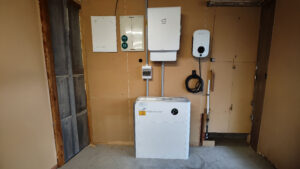
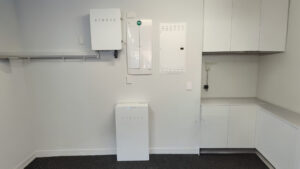
Two 9kWh SigEnergy batteries, 18kWh in total, store excess solar generation for use later in the day or during an outage. A SigEnergy gateway gives the whole home backup power if the grid goes down, not just selected circuits, and also manages when the batteries charge, discharge and export to make the most of the Octopus battery flexing scheme.
7kW EV Charger
A 7kW AC EV charger lets Ralph charge his car directly from solar generation during the day, adding another way to put the array’s output to use on site rather than exporting it at standard rates.
Octopus Labs Queenstown Lakes Battery Flexing With Aurora
The main reason Ralph chose 2 x 9kWh SigEnergy batteries was the Octopus Labs Queenstown Lakes battery flexing scheme with Aurora, available to homes in the Arrowtown area. During peak discharge windows, 7am to 10am and 7pm to 8pm, the scheme pays 70c per kWh for battery power exported to the grid, compared with the 8 to 18c per kWh typical of standard solar buyback rates in NZ. That rate materially strengthens the return on investment for adding battery storage, turning it from a backup and self consumption tool into a genuine income source during those windows.
The Results
- 11.875kW solar array installed using 25 bifacial Longi panels, split across four roof faces
- 10kW SigEnergy inverter with 4 independent MPP trackers
- 18kWh of SigEnergy battery storage across two 9kWh units, with a gateway for full home backup
- 7kW AC EV charger installed, allowing car charging directly from solar
- Access to the Octopus Labs Queenstown Lakes battery flexing scheme with Aurora, paying 70c per kWh for battery exports during peak windows
- A significantly stronger return on investment for battery storage compared with standard solar export rates of 8 to 18c per kWh
Solar that pays for itself, and batteries that pay you back.
Frequently Asked Questions
What is the Octopus Labs Queenstown Lakes battery flexing scheme?
It’s a scheme run by Octopus Energy in partnership with Aurora, available to homes in the Queenstown Lakes area including Arrowtown, that pays a higher rate, 70c per kWh, for battery power exported to the grid during specific peak discharge windows, currently 7am to 10am and 7pm to 8pm. Full details are available on Octopus Energy’s website.
Why would a homeowner choose battery storage over solar panels alone?
Battery storage lets a homeowner use solar power generated during the day later in the evening, provide backup power during an outage, and in areas covered by schemes like Octopus Labs battery flexing, earn a meaningfully higher rate for exporting stored power at specific times. For Ralph in Arrowtown, that combination made battery storage a stronger investment than solar panels on their own.
Can a solar array be split across multiple roof faces?
Yes. Ralph’s Arrowtown installation splits 25 panels across four different roof faces, managed through a SigEnergy inverter with 4 independent MPP trackers so each face performs to its own potential rather than the whole array being limited by the weakest orientation.
Does an EV charger installed with solar only charge the car from solar power?
Ralph’s 7kW AC EV charger can draw from solar generation during the day or from the grid or battery when needed, giving flexibility to charge whenever suits, while still making it easy to prioritise charging directly from solar when the sun is out.
Live in Arrowtown or the wider Queenstown Lakes area? Future Energy designs solar and battery systems that can take advantage of schemes like Octopus Labs battery flexing, sized to your roof, your home backup needs and your EV. Get in touch for a free assessment.