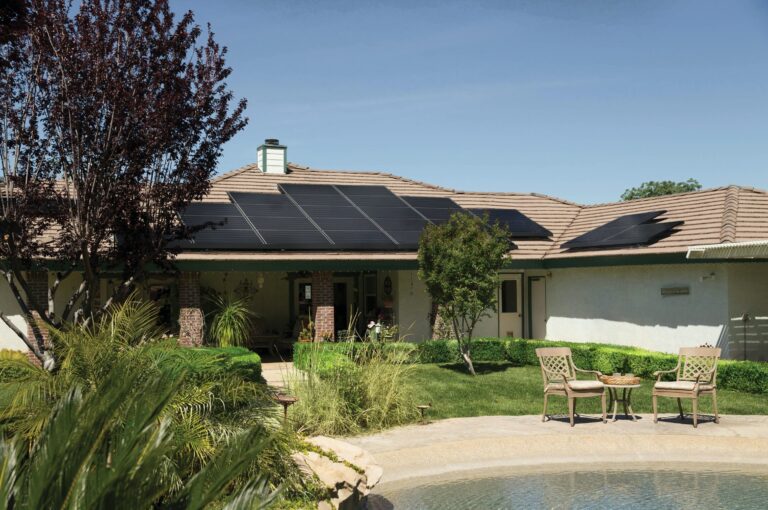
SolarSaver is a proposed New Zealand scheme that would help households go solar without paying the full cost upfront, through low-interest finance, targeted grants, and new options for renters and communities. It was announced by the Labour Party as an election policy, so it is not yet available, but it has drawn strong interest from households weighing up a switch to solar. Here is SolarSaver explained in plain English: what it is, how it would work, who would qualify, and what to do in the meantime.
What is SolarSaver?
SolarSaver is a proposed package designed to remove the single biggest barrier to home solar, which is the upfront cost, by spreading it or subsidising it. Labour says a typical solar and battery system costs around $20,000, which is out of reach for many families, and that four out of five households currently cannot access a standard bank green loan.
It is a policy proposal rather than a scheme you can apply for today. Labour has said it would establish SolarSaver if elected, and that the subsidies, loan schemes and EECA support would be up and running within 12 months of taking office. Labour says the package draws on approaches already used overseas, including property-linked loans in the United States, plug-in balcony solar in Germany, and community batteries in Australia.
How SolarSaver would work
Rather than paying for a system in one lump sum, SolarSaver offers several ways to cover or reduce the cost.
The key features, as proposed, are:
- Two new government-backed, low-interest finance options. One is a loan through your local lines company, repaid gradually through your power bill. The other is a Ratepayer Assistance Scheme, a property-linked loan repaid through your rates, which also covers batteries and other home electrification such as hot water heat pumps.
- You own the system from day one, and the finance is tied to the property rather than only to you.
- Kickstart grants of up to $3,000 for low and middle-income households, which Labour says is enough to cover a plug-in system in full.
- A rule change so renters can use safe plug-in solar panels. Labour estimates a two-panel kit around $1,500, saving an estimated $300 to $400 a year.
- A $30 million community battery fund for neighbourhoods, marae and community organisations.
- EECA acts as a one-stop shop for free, independent advice and accredited installers.
In short, the cost shifts from a large upfront barrier to something you can finance, subsidise, or share, ideally while the system is already lowering your power bills.
What could SolarSaver be used for
The proposed package is broader than rooftop panels alone. Depending on which part applies to you, it could support:
- Solar panels and installation
- Battery storage
- Other home electrification, such as hot water heat pumps, through the property-linked scheme
- Plug-in solar kits for renters
- Community batteries shared across a neighbourhood
Who would qualify for SolarSaver?
Because it is built around a range of situations, SolarSaver is broader than schemes that target only owner-occupiers.
- Homeowners would be able to use the two financing options, with their local lines company or council participating.
- Low and middle-income households would be eligible for the kickstart grants of up to $3,000. Renters could access these too.
- Renters would be able to use plug-in solar once the rules change.
- Communities, councils, marae and community organisations could apply to the community battery fund.
It is worth being honest about the limits. As a proposal, several details are not yet settled, including the exact income thresholds, which councils and lines companies participate in, and the timing. For confirmed eligibility, the best source will be EECA and official information once the scheme is in place.
How SolarSaver compares to what you can get today
You do not have to wait for SolarSaver to finance a solar or battery system. Most major banks already offer low-interest green loans, and these are available now.
The difference is in the terms and the reach. Labour says four out of five households cannot access a standard bank green loan, and SolarSaver is designed to fill that gap with longer-term, property-linked finance and targeted grants. If you are ready to move now and can fund a system or access existing finance, you can go ahead today and start saving sooner. If the upfront cost has held you back, a scheme like SolarSaver could change the picture later.
Both major parties have now proposed schemes to tackle the same upfront cost barrier. If you would like to compare, we have also explained the National Party’s Home Energy Fund
When could SolarSaver be available?
SolarSaver is a proposed policy, not a live scheme. For it to take effect, it would require the result of November’s election, and Labour says the subsidies, loan schemes and EECA support would then be up and running within 12 months of taking office. There is no application process yet, and no confirmed start date beyond that timeframe.
So what does that mean for you right now? If you can comfortably afford a solar or battery system, there is no need to wait. You can move ahead today and start saving on your power bills sooner. The finance options are designed to spread the cost over time rather than reduce it, so if you already have the funds or existing finance, waiting does not save you money. The part that could be worth waiting for is the grant if you are on a lower or middle income and are comfortable holding off until the scheme is in place. For everything else, it is worth exploring the existing financing options rather than putting your plans on hold.
What to do now
- Work out your priorities. Independent advice on what your specific home needs means that any money you spend, now or later, counts.
- If upfront cost is the main barrier, compare the financing options available today, from low-interest bank green loans to interest-free terms offered by some providers.
- Keep SolarSaver in mind as another possible route in the future, and follow its development.
At Future Energy, we install solar, battery storage, heat pumps, ventilation and EV charging, and we give honest, product-agnostic advice on the most cost-effective place to start. We will keep our customers updated as SolarSaver develops, so you are ready to act if and when it arrives. If you would like to follow SolarSaver, sign up for our newsletter and we will keep you posted. Or, if you would like to explore moving ahead sooner, book a free home energy consultation on the best place to start
SolarSaver Frequently Asked Questions
Is SolarSaver available now?
No. It is a proposed election policy and cannot be applied for yet. It would need the result of November’s election, and Labour says it would then be up and running within 12 months of taking office.
Who can use SolarSaver?
As proposed, homeowners through two new finance options, low and middle income households through grants of up to $3,000, renters through plug in solar, and communities through a battery fund.
What can SolarSaver pay for?
Residential solar, battery storage, and other home electrification such as hot water heat pumps, plus plug in kits for renters and shared community batteries.
How is SolarSaver repaid?
Through your power bill or your rates over time, depending on which finance option you use. Labour says you would own the system from day one.
Can I get solar or a battery before SolarSaver exists?
Yes. Most major banks offer low interest green loans now, and you can speak to an installer at any time about the best option for your home.