The Home Energy Fund is a proposed New Zealand scheme that would allow homeowners to borrow to install solar, batteries, heat pumps, and insulation, then repay the cost over time through their rates rather than paying a large sum upfront. It was announced by the National Party as an election policy, so it is not yet available, but it has drawn considerable interest from households weighing up a switch to solar. Here is the Home Energy Fund explained in plain English: what it is, how it would work, who would qualify, and what to do in the meantime.
What is the Home Energy Fund?
The Home Energy Fund is a proposed financing platform that would be jointly owned by the central government and participating local councils. The idea is to remove the single biggest barrier to home energy upgrades, which is the upfront cost, by spreading it into affordable, long-term repayments attached to a property.
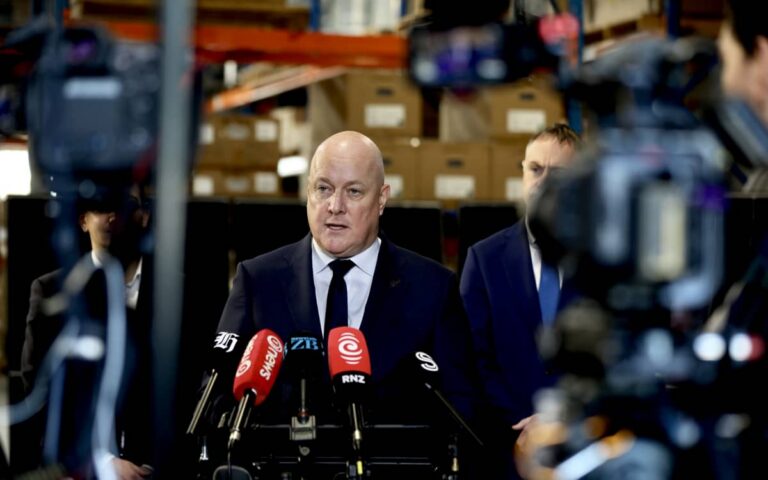
It is a policy proposal rather than a scheme you can apply for today. The National Party has said it would establish the fund if it is re-elected, and it is modelled on the Ratepayer Assistance Scheme that Local Government New Zealand and Rewiring Aotearoa have advocated for over several years.
How the Home Energy Fund would work
The mechanics are straightforward. Rather than paying for a solar or battery system in one lump sum, a homeowner would take a low-interest loan through the fund. The fund pays the approved installer upfront, and the homeowner repays the loan over time.
The key features, as proposed, are:
- The loan is secured against the property, not the individual.
- Repayments are made through your rates bill, typically over about ten years, with longer terms also discussed.
- You can repay it when you sell the property if you move before the loan is paid off, or pass it on to the new homeowner.
- Because the loans are backed by central and local government balance sheets, they can be offered at low, competitive interest rates.
- Early repayments and lump sums would be allowed, and some deferral may be possible depending on circumstances.
In short, the cost shifts from a large upfront barrier to a manageable charge you pay off gradually, ideally while the system is already lowering your power bills.
What you could use the Home Energy Fund for
The proposed scheme is broader than solar panels alone, which matters because a warm, resilient, low-cost home depends on more than generation. Eligible upgrades would include:
- Solar Panels and Installation
- Battery Storage
- Heat Pumps
- Insulation
- EV Chargers
- Other home electrification, such as efficient electric appliances
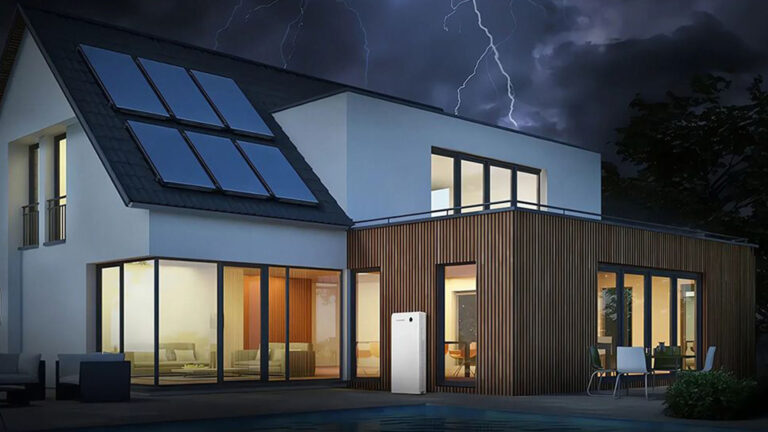
The inclusion of batteries and heat pumps is significant. Solar generates power during the day, but a battery stores it for the evening and keeps essentials running during an outage, and an efficient heat pump keeps a home warm and dry through winter. This connects directly to the research on cold New Zealand homes, which found that many households cannot afford to heat their homes to a healthy temperature.
Who would qualify for the Home Energy Fund?
Eligibility is one of the most important things to understand, because the proposed scheme is aimed squarely at homeowners with equity in their property.
- You would need to own your home and have at least 20% equity in it.
- Your local council would need to have opted in, since participation is voluntary for councils.
- An entity set up under Local Government New Zealand would manage applications and run the usual credit checks.
It is worth being honest about the limits. As proposed, the fund is designed for owner-occupiers, so renters and people without sufficient home equity would not be able to use it directly. If you are renting or unsure about your equity position, it is still worth getting advice, as there are other support options, and the right starting point varies for every home.
How it compares to existing green loans
You do not have to wait for the Home Energy Fund to finance a solar or battery system. Most major banks already offer low-interest or interest-free green loans for energy upgrades, and these are available now.
The difference is in the terms. Existing bank green loans tend to be shorter, often around three years. The Home Energy Fund is proposed as a longer-term option, repaid over roughly 10 years and secured against the property rather than assessed purely on personal lending criteria, intended to reach households that currently miss out, including some retirees and people without a standard mortgage top-up.
If you are ready to move now, a current green loan may suit you well. If the upfront cost or loan term has held you back before, a scheme like the Home Energy Fund could change the picture later.
When could the Home Energy Fund be available?
The Home Energy Fund is a proposed policy, not a live scheme. For it to take effect, it would require a change to the Local Government Act, a Crown equity investment to establish the entity, council participation, and the outcome of the November election. There is no application process yet, and no confirmed start date.
So what does that mean for you right now? If you can comfortably afford a solar, battery or heat pump system, there is no need to wait. You can move ahead today and start saving on your power bills sooner. If the upfront cost is the barrier, it is worth looking at the finance options that already exist, such as current bank green loans, rather than putting your plans on hold, while keeping the Home Energy Fund in mind as another possible route in future
What to do now
- Work out your priorities. The most affordable starting point is often a single efficient heat pump in the rooms you use most, then building from there.
- If upfront cost is the main barrier, compare the available financing options, from low-interest bank green loans to the interest-free terms thatretail providers sometimes offer on home energy purchases.
- Get independent, product-agnostic advice on what your specific home actually needs, so any money you spend, now or later, counts.
At Future Energy, we install solar, battery storage, heat pumps, ventilation and EV charging, and we give honest, product-agnostic advice on the most cost-effective place to start. We will keep our customers updated as the Home Energy Fund develops, so you are ready to act if and when it arrives
If you would like to follow the Home Energy Fund, subscribe to our newsletter, and we keep you posted as it progresses. Or, if you would like to explore options to move forward with sustainable energy solutions sooner, book a free home energy consultation on the best place to start.
Home Energy Fund: quick questions
Is the Home Energy Fund available now?
No. It is a proposed election policy and cannot be applied for yet. It would need legislative change, council participation and the result of the November election before it could take effect.
Who can use the Home Energy Fund?
As proposed, owner-occupiers with at least 20% equity in a property in which the local council has opted in. Renters and those without sufficient equity would not be able to use it directly.
What can the Home Energy Fund pay for?
Residential solar, battery storage, insulation, heat pumps and other home electrification, such as efficient electric appliances.
How is the Home Energy Fund repaid?
Through your rates bill over time, typically around ten years, or when you sell the property. The loan is secured against the home rather than the individual.
Can I get solar or a battery before the Home Energy Fund exists?
Yes. Most major banks offer low-interest green loans now, and you can speak to an installer at any time about the best option for your home.