Cold homes in New Zealand are far more common than we like to admit, and new research from the University of Otago has finally put hard numbers to it: a large share of our houses are simply too cold to be healthy. For a country that prides itself on enjoying the outdoors, we are surprisingly good at being cold indoors, and the health and household costs of that are finally being measured.
Here is what the study found, why a cold home is about more than comfort, and the practical steps that make the biggest difference.
What the Otago study found
The research from BRANZ (Building Research Association of New Zealand), in collaboration with The University of Otago, specifically the He Kāinga Oranga programme, served as the health expert, analysing BRANZ findings to link low indoor temperatures to adverse health outcomes. The picture is sobering:
– Nearly half of households said their home was sometimes colder than they would like.
– One in five people could sometimes see their breath indoors during winter.
– Bedrooms were especially cold, sitting at around 16.5 degrees overnight on average.
– Many bedrooms were never heated at all, including more than four in ten of the rooms where school-aged children sleep.
For context, the World Health Organisation recommends a minimum indoor temperature of 18 degrees for a healthy home, and higher again for babies, older people and anyone with a health condition. Many cold homes in New Zealand are not reaching it, particularly overnight and particularly in the rooms where we sleep.
Why cold homes in New Zealand are more than just uncomfortable
Being cold indoors is unpleasant, but the bigger issue is health. Decades of New Zealand research links cold, damp housing to more respiratory illness, worse asthma, and higher rates of winter hospitalisation, especially for children and older people. Cold air can inflame the airways and make it harder for the body to fight off the bugs that circulate every winter, and damp conditions encourage the mould that makes all of this worse.
In other words, a warm, dry home is not a luxury. It is one of the simplest forms of preventive health we have, and it starts with getting the basics of warmth and air quality right.
The three things that make a home warm
One of the most useful points in the study is that a warm home comes down to three things working together: access to energy you can afford to run, an effective heating system, and a home that holds the heat in. Get all three right and warmth becomes normal rather than a daily trade-off
1. An effective heating system
A correctly sized, modern heat pump is one of the most efficient ways to heat a New Zealand home, turning each unit of electricity into several units of heat. The key word is “sized”. A heat pump that is too small for the space, or only installed in the living room, leaves the rest of the house cold, which is exactly the pattern the Otago research picked up. Heating the rooms people actually sleep in matters just as much as the lounge.
2. Drier air, less mould
Warmth and moisture go hand in hand. Everyday living adds litres of water to the air inside a home through cooking, showering and drying clothes, and that moisture is what feeds mould and makes a house feel colder than it is. A good ventilation system moves that damp air out and brings drier, filtered air in, so the home is healthier to breathe and easier to keep warm.
3. A home that holds the heat
The third lever is the building itself. Insulation, curtains, and sealing draughts all help a home keep the warmth you have paid for. This is the part many older homes are missing, and it is worth addressing alongside heating rather than instead of it.
Warmth you can actually afford to run
The Otago research is clear that cost is a big reason rooms go unheated, and why so many cold homes in New Zealand stay that way. People are not choosing to be cold. They are heating one room in the evening because warming the whole house feels out of reach.
The good news is that the most affordable place to start is also one of the most effective. A wall-mounted heat pump is the least expensive type of heat pump to buy, and because it produces several times more heat than the power it draws, it is one of the cheapest forms of heating to run. You do not have to do the whole house at once. Begin with the rooms that matter most, the spaces where children, older people and anyone unwell spend their time, and add a room at a time as your budget allows.
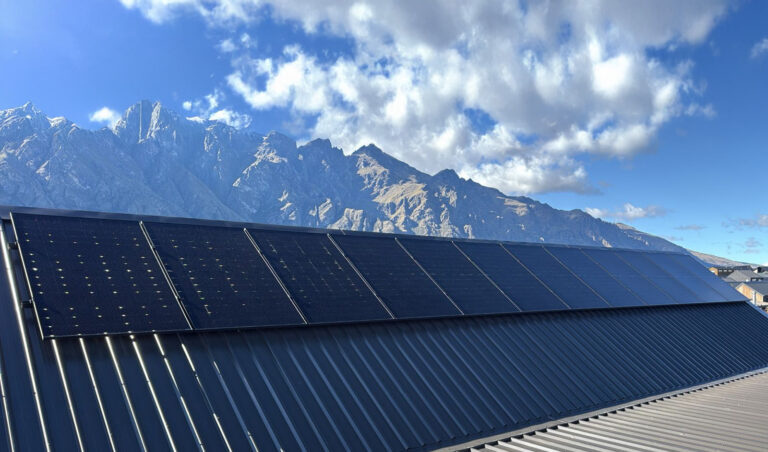
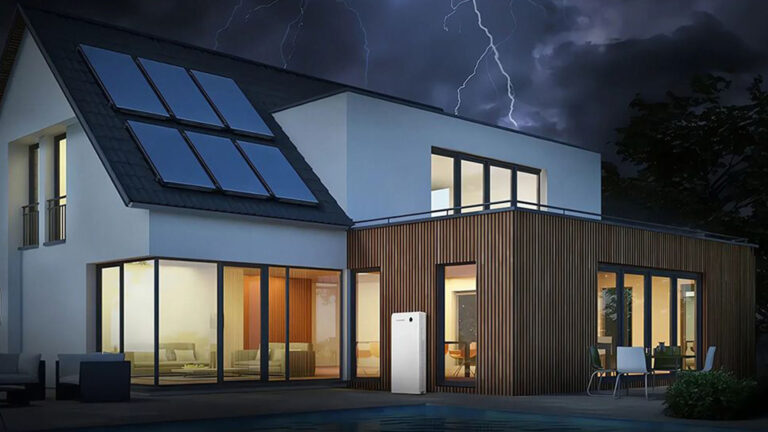
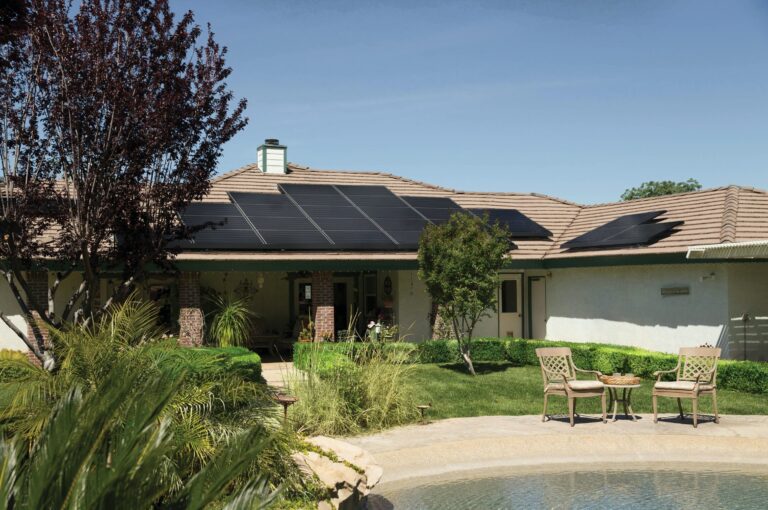
For households ready to go further, generating your own power is the natural next step. Solar power is the cheapest form of electricity in New Zealand. Solar produces electricity throughout the day, so that is the time to run your heat pump and warm the rooms you use, then close doors to hold the heat where you need it. Adding a home battery builds on that, storing daytime solar for the evening and keeping essentials running if the grid goes down. A full solar and storage system is a choice worth making for households seeking low-cost energy, healthier homes, and long-term resilience.
Simple steps to a warmer, healthier home this winter
You do not have to do everything at once. Working from the most affordable steps upwards, a few practical moves make a real difference:
1. Heat the rooms that matter most first. Prioritise where children, older people and anyone unwell spend their time, and aim for at least 18 degrees in those spaces, including bedrooms, not just the living room.
2. Start with a single wall-mounted heat pump in a priority room, then add one room at a time as budget allows. It is the most affordable heating to buy and to run.
3. Close internal doors and curtains to keep the heat in the rooms you are warming, and seal obvious draughts.
4. Ventilate daily to cut indoor moisture, and deal with any damp or mould early, so your home is healthier to breathe and easier to keep warm. A ventilation system is a relatively low-cost addition that keeps air drier and fresher year round, reducing the condensation and mould that make a home feel colder than it is.
5. If you have solar, run your heat pump during the day while the sun is generating, warm the rooms you use, then shut the doors to hold that warmth into the evening.
6. For those wanting low-cost energy and resilience as a longer-term choice, look at adding solar, and if a battery allows it, to take more control of your running costs and keep essentials going when the grid is down.
7. Get independent advice on what your home actually needs first, so you spend money where it will count most.
Where Future Energy fits
At Future Energy, we specify and install efficient heat pumps, home ventilation, and solar and battery storage, all of which reduce home running costs.
Because we bring those systems together and design them to work as one, and because we give independent, product-agnostic advice rather than pushing a single brand, we can help you focus on the changes that will make the biggest difference first.
That means a home that is warmer, drier and cheaper to run, with one team accountable from the first conversation to long-term support. It is the reason more than 300 New Zealand homeowners have left us five-star reviews.
Cold homes in New Zealand are not inevitable. The Otago study is a reminder that warm, healthy homes are important, achievable, and that the technology to deliver them affordably already exists. If this winter has you reaching for another jumper, it might be worth a different conversation.
Live well with sustainable energy. Breathe easy with Future Energy
Every home is different, and the most cost-effective fix is not always the obvious one. Tell us about your home, your priorities and your budget, and we will give you independent, product-agnostic advice on the steps that will make the biggest difference first, whether that is a single heat pump, better ventilation, or adding solar to generate your own energy. No pressure, no obligation,