If you’re exploring solar for your home, one common question you may come across is – do you also need a battery? The answer depends on your household’s energy use, location, and long term goals. To help you make an informed decision, here’s an overview of the key advantages and considerations of adding a solar battery to your New Zealand home.
What a Solar Battery Does (and Why It Matters)
When your solar panels generate more electricity than your home is using, that extra energy can either be:
- Exported to the grid for an export credit; or
- Stored in a battery for use later (at night when the cost of power is high, or during power outages).
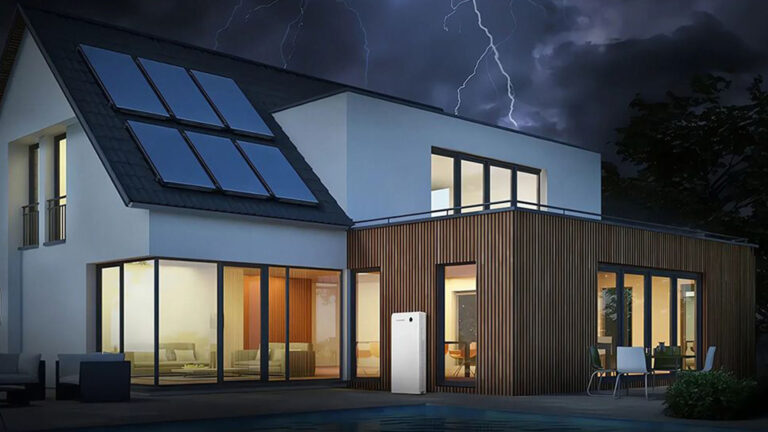
Batteries give you energy independence by keeping essential appliances running through outages, and shifting your daytime surplus into use during peak hours.
Meanwhile, subsidy and export rules in New Zealand are evolving to make self consumption more rewarding. Recent regulatory changes are creating fairer export pricing, making self consumption and energy storage increasingly appealing for homeowners.
Pros of Having a Solar Battery
1. Backup Power and Resilience
A battery can keep lights, refrigeration, broadband, even heating running during blackouts, a great reliance in regions with grid instability.
2. Better Use of Your Own Solar Generation
Instead of exporting energy at low rates (often less than what you pay for electricity), you can store it and use it later, especially during expensive peak evening periods.
3. Reduce Reliance on the Grid
If your aim is energy self sufficiency (or future proofing), a battery helps you lean less on the grid.
Cons & Considerations
1. Upfront Cost
Battery systems are a premium addition. The extra cost can push payback periods further out. While panel systems often recoup in 6 – 9 years, adding a battery generally extends that timeline.
2. Efficiency Losses
Every time energy is converted and stored, there’s some loss (charging/discharging inefficiencies). So you won’t recover 100 % of what’s stored.
3. Limited Lifespac & Replacement Costs
Batteries will degrade over time and possibly need replacement after 10 -15 years, depending on the technology and use pattern.
When a Battery Makes Sense for You
To decide if a solar battery is worth it, consider:
1. Your Usage Pattern
If your household draws more power in evening or morning peaks, a battery can capture midday surplus and shift it to those times.
2. Outage Risk
In areas prone to outages, backup resilience can be a tipping factor.
3. Export Rates in your Area
If export credits are low, the incentive to store and use yourself is higher.
4. How long you plan to stay in your home
The benefits of battery systems deliver the most value over the long term.
If you lean more toward resilience, peak shifting or cutting reliance on grid exports, a battery is compelling. If your area rewards exports generously, and your solar output already matches your usage pattern, a grid tied solar system (no battery) system might be the smarter financial move.
You don’t always need a solar battery to have a beneficial solar setup in New Zealand, many homes see strong returns just from panels. But adding a battery adds layers of resilience, control over your energy, and peace of mind. The real trick is running the numbers based on your location, consumption curve, and export policy.
If you’re curious, we at Future Energy offers free assessments and can model different scenarios (with or without battery) based on your home and habits. Contact us for a tailored quote, or view our work.