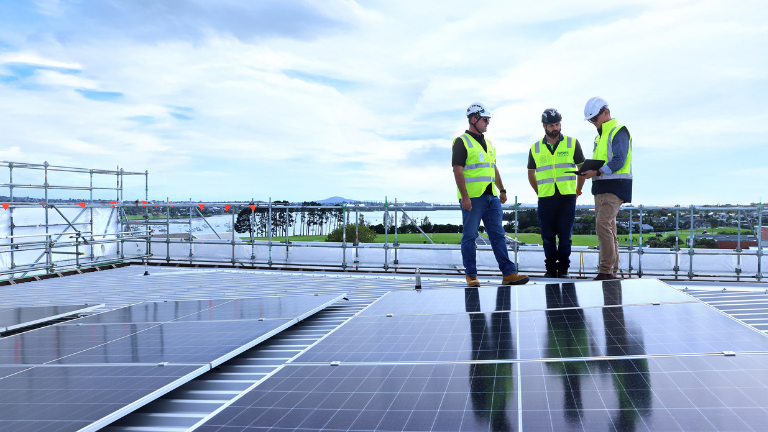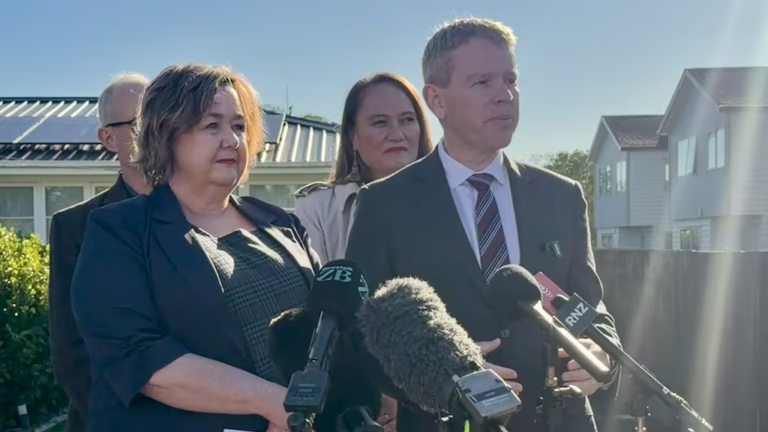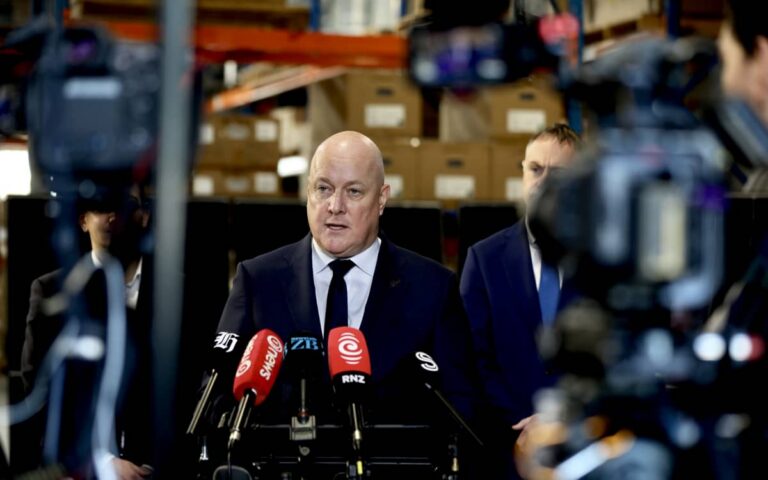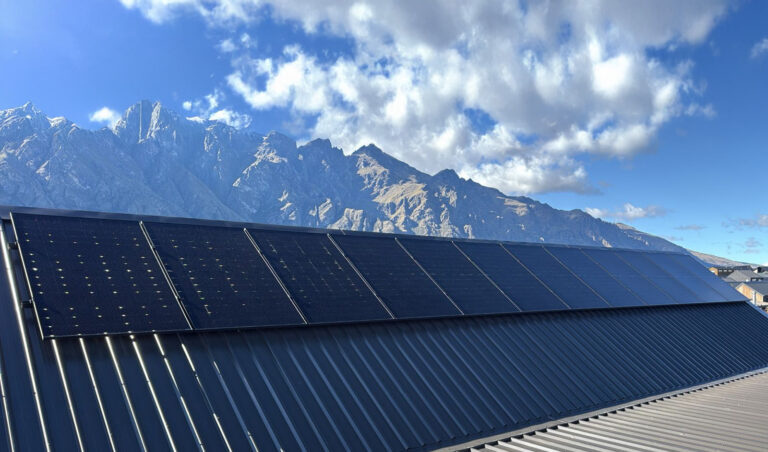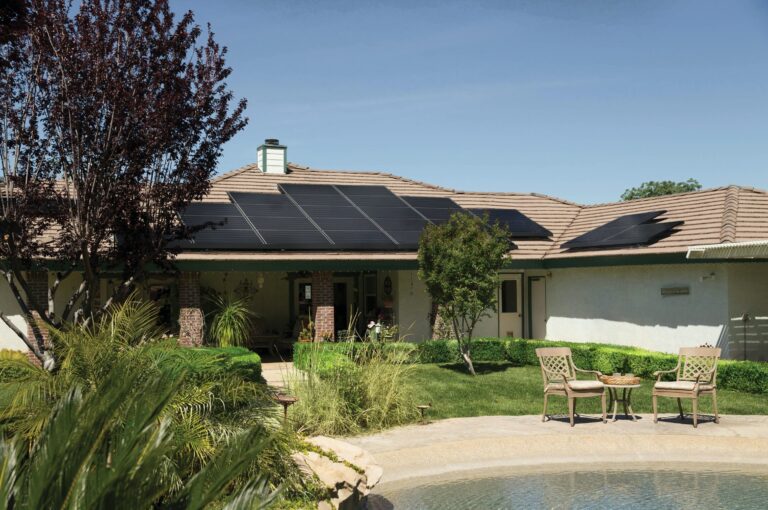
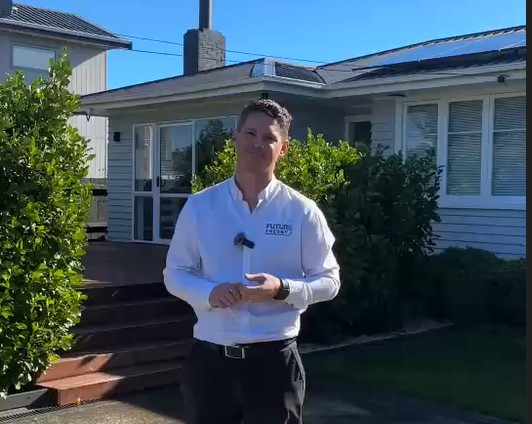
The SolarSaver announcement took place at a Future Energy home in West Auckland this morning. Labour set out SolarSaver, a proposed package aimed at removing the upfront cost of going solar, at a Future Energy installation, with panels on the roof behind the speakers. Labour Leader Chris Hipkins was joined by energy and resources spokesperson Megan Woods and local MP Carmel Sepuloni, setting out a policy the party says it would introduce if elected in November.
For our team it was a genuine milestone. The home belongs to one of our own team, so the panels behind the announcement were a system we installed and that a Future Energy family lives with every day. The morning included the policy launch, media interviews, and a chance to put the homeowner perspective forward. We were proud to host an event focused on something we work on every day: making clean, affordable energy more accessible to New Zealanders.
What SolarSaver would do
Under the proposal, SolarSaver would remove the upfront cost of solar in several ways, with the detail set out in Labour’s announcement.
Labour says the package includes two new government-backed, low-interest finance options: a loan through your local lines company that you repay gradually through your power bill, and a Ratepayer Assistance Scheme, a property-linked loan repaid through your rates that also covers batteries and other home electrification. In both cases, Labour says you would own the system from day one.
Alongside the finance, the package proposes kickstart grants of up to $3,000 for low and middle-income households, a rule change so renters can use safe plug-in solar, a $30 million community battery fund, and EECA acting as a one-stop shop for free, independent advice and accredited installers. Labour says it would also invest in training more solar installers.
It is worth being clear that this is a proposed policy rather than a scheme that exists today. Labour says the subsidies, loan schemes and EECA support would be up and running within 12 months of taking office, and it would require the result of November’s election before any of it could take effect.
Why the SolarSaver announcement matters for homeowners
The detail that stands out to us is the focus on upfront cost, because that matches what we see in homes across the country every week. The value of solar and battery storage is rarely in question. The barrier is almost always the size of the initial investment.
We also welcome the breadth. By covering battery storage alongside solar panels, and other electrification such as hot water heat pumps through the property-linked scheme, the proposal recognises that a warm, resilient, low-cost home is about more than generation alone. The inclusion of renters and community batteries is notable too, since those households have often been left out of the solar conversation. That connects directly to the research on cold New Zealand homes that has been in the news.
A proud day for the Future Energy team
Hosting an announcement like this is a privilege, and the credit belongs to the whole team. Reflecting on the day, our co-founder and director, Heath Coleman, shared his thoughts.
“What stood out to me today is how much of this is aimed at the households usually left out, renters, and families who cannot find the money to install solar,” said Heath Coleman, co-founder and director of Future Energy. “We meet those people every week. They want solar, and it stacks up for them; the barrier is almost always that initial cost. Whatever happens at the election, a serious push to widen who gets to benefit is a good conversation to be having, and we were proud to host it.”
What happens next
Because SolarSaver is a proposed policy, there is nothing for homeowners to apply for yet. If you are weighing up solar or a battery in the meantime, there are existing low-interest green loan options through most major banks, as well as other finance options, and we are happy to talk you through what suits your home and budget. If you can already afford a system, there is no need to wait to start saving. You can read our honest take on whether a home battery is worth it to help you decide where to start.
We will keep our customers updated as the policy develops. If you would like to be among the first to hear how schemes like this could apply to your home, you can sign up for our newsletter or book a free home energy consultation for independent, product-agnostic advice on the most cost-effective place to start.
Live well with sustainable energy.