New Zealand households are collectively overpaying billions on energy every year. The technology to fix that is already here and it pays for itself.
By Future Energy | April 2026 | 8 min read
There has never been a better time to reduce home energy costs NZ households are facing. New Zealand households could collectively be saving $29 million per day on energy costs, according to the Investing in Tomorrow Report. That’s not a future possibility, its money being left on the table right now, every single day, by homeowners who haven’t yet made the switch to smarter energy.
The reasons are understandable. Energy decisions feel complicated. The upfront costs can seem daunting. And with so many products and options on the market, it’s hard to know where to start.
This guide cuts through the noise. Based on data from Rewiring Aotearoa, the Electric Homes Report, and the Investing in Tomorrow Report, here are the six smartest moves to reduce home energy costs NZ homeowners can make to meaningfully reduce their power bills, ranked by impact.
| $29M NZ households could save per day on energy | ~40% of NZ grid load comes from homes – solar changes that | 75% potential hot water cost saving with a heat pump |
“Rooftop solar is now the cheapest form of electricity in New Zealand.”
1. Install Residential Solar
Potential saving: significant reduction in daytime electricity costs
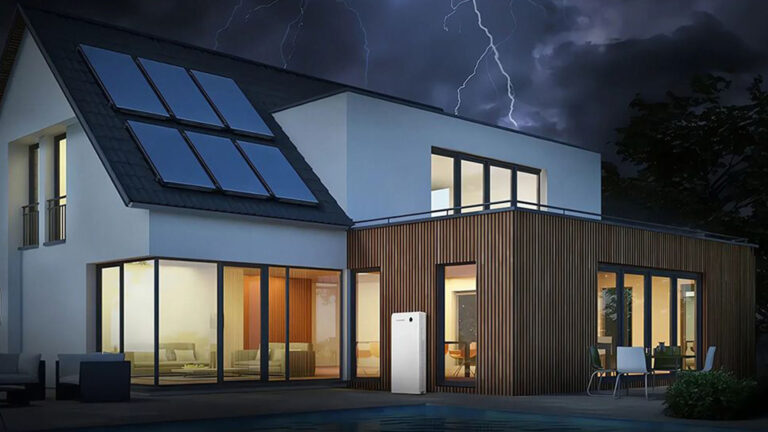
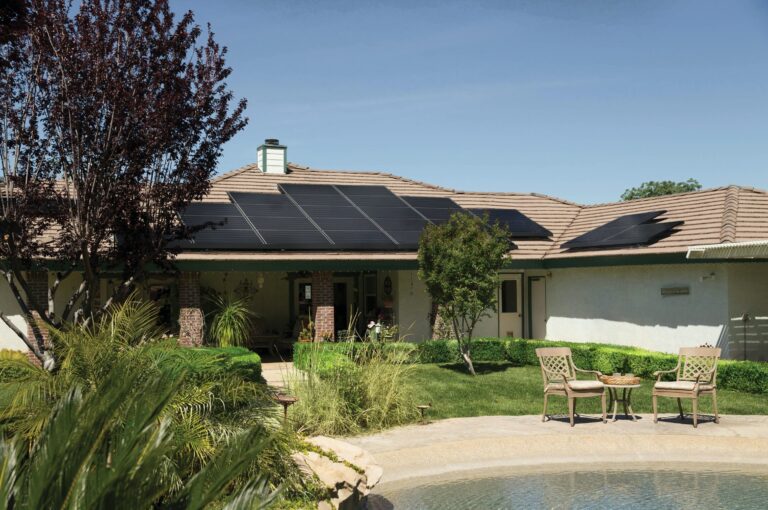
Residential solar is the foundation of every low-cost energy home. Rooftop solar is now the cheapest form of electricity generation in New Zealand, cheaper, per unit, than buying power from the grid. Once installed, every kilowatt-hour your panels generate is energy you’re not buying from your retailer.
The economics have shifted dramatically. The cost of solar panels has dropped by more than 90% globally over the past decade. For a typical New Zealand home with a north-facing roof, a well-sized residential solar system can cover a significant portion of daytime energy needs and with smart energy management, even more of your overall usage.
The key is sizing your system correctly. A system that’s too small won’t make a meaningful dent in your bill. A well-designed residential solar installation, matched to your actual consumption patterns, is the foundation of a low-cost energy home.
What to look for: High-efficiency panels (400W+), a quality hybrid inverter that can work with battery storage, and a certified installer who will model your actual consumption, not just give you a generic quote.
2. Add Solar Battery Storage
Potential saving: use your solar energy around the clock, not just when the sun shines
Solar panels generate power during the day. But most of a family’s energy use happens in the morning and evening, exactly when solar output is lowest. Without solar battery storage, you’re exporting cheap solar energy to the grid and then buying expensive peak-rate power back at night.
A home battery changes that completely. Excess solar energy generated during the day is stored and used when you actually need it, in the evenings, early mornings, and during outages. The result is a much higher rate of self-consumption, and a much lower reliance on grid electricity.
Modern solar battery storage systems can be intelligently managed to automatically optimise charge and discharge cycles based on your usage patterns, electricity tariffs, and even weather forecasts. Systems like the Tesla Powerwall and Sigenergy are well known for their smart energy management platforms, and when paired with a smart energy plan like Octopus Energy’s Zero Bill product, a solar-battery combination can eliminate your power bill entirely.
Without a battery, surplus solar is exported to the grid at feed-in tariff rates that currently range from around 8 to 17 cents per kWh in New Zealand, depending on your retailer and plan. You then buy power back at retail rates of around 30 cents per kWh or more when your panels are not generating. A battery closes that gap by storing your solar energy for use when you actually need it, rather than selling it cheaply and buying it back at a premium.
What to look for: A battery with sufficient usable capacity for your home (typically 10 to 15kWh for a family home), a hybrid inverter, and smart energy management software. Not all batteries are equal the quality of the inverter and energy management platform matters as much as the battery capacity itself.
3. Replace Your Hot Water System with a Heat Pump Hot Water Cylinder
Potential saving: up to 75% on hot water costs
Hot water is one of the biggest energy loads in a New Zealand home, typically accounting for around 30% of household energy use. If you’re still heating water with a traditional electric resistance element or a gas hot water system, you’re paying far more than you need to.
A hot water heat pump NZ works on the same principle as a refrigerator in reverse, it extracts heat from the surrounding air and uses it to heat water, rather than generating heat directly. This makes it two to three times more efficient than a standard electric element and can cut your hot water costs by up to 75%.
New Zealand has approximately 580,000 gas hot water heaters still in service. Every one of them is costing its owner significantly more than a heat pump hot water system would. For homeowners with solar, the benefit compounds further, a hot water heat pump can be programmed to run during peak solar generation hours, meaning you’re heating your water essentially for free.
What to look for: A heat pump hot water cylinder sized for your household (typically 180 to 300L), timer or smart controls to align with solar generation, and a COP (coefficient of performance) of 3.0 or higher.
4. Upgrade to a Residential Heat Pump for Space Heating
Potential saving: 2 to 3x more efficient than traditional resistance heating
Space heating and cooling is the largest single energy load for most New Zealand homes. If you’re heating with gas, diesel, or old-style electric panel heaters, you’re using some of the least efficient and most expensive heating methods available.
A residential heat pump is three times more efficient than a standard electric heater. It moves heat rather than generating it, making it the most cost-effective way to heat and cool a home. New Zealand has over 307,000 gas space heaters and 8,500 diesel space heaters still in homes, all of which are costing their owners significantly more than a modern residential heat pump would.
For a whole-home solution, a ducted heat pump system delivers consistent, comfortable temperatures throughout the house from a single unit, far more cost-effective than running multiple portable heaters or separate room heaters.
When paired with residential solar, a heat pump becomes even more attractive. Running it during the day on solar-generated electricity means you’re heating your home at close to zero cost.
What to look for: A heat pump with a high COP rating (3.5+), the right capacity for the space you’re heating, and ideally one with smart scheduling so it can be set to run during solar generation hours.
5. Switch to an EV and Charge on Solar
Potential saving: fuel costs cut by 70 to 80% compared to petrol
Transport is one of a household’s largest costs and one of the last areas many homeowners think about when looking at energy bills. But if you have a petrol or diesel vehicle, you’re paying significantly more per kilometre than an EV owner who charges on solar.
The combination of a residential solar system and an EV charger is one of the most powerful financial decisions a New Zealand homeowner can make. Excess solar energy which would otherwise be exported to the grid at low feed-in tariff rates, is instead used to charge your vehicle. The result is transport fuel that costs a fraction of petrol.
New Zealand imports around 150,000 new cars each year. The shift to EVs is accelerating, and those who pair an EV with home solar will be insulated from both electricity price increases and petrol price volatility.
What to look for: A quality home EV charger that integrates with your solar inverter system, with smart scheduling to charge when solar is generating at its peak.
6. Optimise with Smart Energy Management
Potential saving: maximise the value of every other investment on this list
The smartest homes don’t just have good equipment; they have systems that talk to each other. Smart energy management is what turns a collection of good appliances into an integrated, self-optimising home energy system.
This means your battery charges when solar is generating and electricity is cheapest. Your hot water heats during peak sun hours. Your EV charges from surplus solar. Your heat pump runs during the day when your panels are at full output. And your energy retailer’s smart tariff works in your favour, not against you.
Leading battery and inverter platforms including Tesla Powerwall and Sigenergy, offer smart scheduling and home energy management features that make this level of integration accessible to ordinary homeowners, not just tech enthusiasts. The right platform for your home depends on your system size, your existing appliances, and how hands-on you want to be.
What to look for: A hybrid inverter with built-in energy management, a battery with smart scheduling capability, and an energy retailer with time-of-use tariffs or a zero-bill product that rewards self-consumption.
You don’t need to do all six at once. In fact, the smartest approach is to start with the changes that will have the biggest impact for your specific home, which depends on your current appliances, your roof orientation, your household size, and your energy usage patterns.
Reduce Home Energy Costs NZ: Putting It All Together
Residential solar is now the cheapest form of electricity generation available to New Zealand homeowners. Solar battery storage turns that advantage into round-the-clock savings. A residential heat pump and a hot water heat pump NZ slash your two biggest energy loads. And smart management ties it all together.
The result is a home that is cheaper to run, more comfortable, and protected from the electricity price increases that have become a predictable feature of New Zealand life.
Find out what your home could save – Future Energy designs integrated solar, battery, and heat pump and EV charging systems for New Zealand homes. Contact us
Frequently Asked Questions: Reduce Home Energy Costs NZ
1. Does combining solar, a battery, and a heat pump really make a big difference, or is it just adding up three small savings?
The savings are genuinely exponential, not additive. Solar on its own reduces your daytime electricity costs. Add a battery and you greatly reduce your evening and overnight grid reliance. Add a heat pump hot water cylinder programmed to run during solar generation hours and you’re heating your water for close to nothing. Add a residential heat pump and your largest energy load is running on self-generated electricity. Each technology amplifies the value of the others.
A typical 5kW solar system alone saves a New Zealand household $1,500 to $1,800 per year. Add a battery, a hot water heat pump, and a residential heat pump, and a well-designed integrated system can reduce your annual electricity bill by $3,000 to $5,000 or more depending on your household size and current energy use. That’s not three small savings added together, that’s a fundamentally different relationship with your power bill, and with the grid.
This is the core difference between installing one product and designing an integrated home energy solution
2. If I already have residential solar, what’s the single best thing I can add next to maximise my savings?
For most solar-only households, a solar battery is the highest-impact next step. Without a battery, a significant portion of your solar generation is exported to the grid at low feed-in tariff rates, currently 8 to 17 cents per kWh, while you buy power back at peak rates of 30 cents or more in the evenings. A battery captures that energy and uses it when you actually need it, often doubling or tripling your effective self-consumption rate. After adding storage, the next highest-return addition for most New Zealand homes is a hot water heat pump, which redirects a major energy load to run on solar or stored energy rather than grid power. The combination of solar plus battery plus heat pump hot water is typically where homeowners start to see truly transformational reductions in their power bills.
3. How does a heat pump hot water cylinder work with solar to reduce costs even further?
A hot water heat pump NZ is already 3 to 4 times more efficient than a standard electric element, but when you pair it with residential solar, the effect compounds significantly. Hot water heating is a large, flexible load that can be scheduled to run during the middle of the day, exactly when solar panels are generating at their peak. This means instead of exporting surplus solar to the grid at low rates, you’re using it to heat a full tank of water that stays hot for 24 hours or more. In practical terms, many solar households with a heat pump hot water cylinder find their hot water costs drop to near zero, because they’re running it almost entirely on free solar energy.
4. Can solar, battery storage, and an EV charger really work together seamlessly, or does it get complicated to manage?
With the right system design, it’s seamless, and it all happens automatically. Modern home energy platforms like Tesla Powerwall and Sigenergy are designed to manage exactly this kind of multi-device household. Your inverter knows when the sun is generating, the battery knows how much charge it holds, and a smart EV charger knows to draw from solar surplus before touching grid power. You set your preferences once, charge the car to 80% by 7am, ensure the battery is 80-100% charged of overnight use and the system handles the rest. The key is ensuring your solar, battery, inverter, and EV charger are selected to work together. This is where working with an experienced specifier who designs whole-home energy solutions makes a significant difference to both performance and simplicity.
5. What does a fully integrated home energy system actually look like in practice and what can it save?
A fully integrated home energy system combines residential solar panels, a home battery, a residential heat pump, a hot water heat pump, and an EV charger all managed by a smart energy platform and paired with a smart electricity plan. In practice: your panels generate electricity from around 8am; surplus charges the battery and heats your water; your heat pump runs during peak solar hours; by evening, your battery powers the home through to morning; and overnight, your EV charges on stored solar. The grid becomes a backstop, not a primary source. For many New Zealand homes designed this way, annual electricity bills can be reduced by $1,500 to $5,000. The Investing in Tomorrow Report estimates that the collective national potential across all NZ households is$29 million per day. The gap between that potential and today’s reality is almost entirely made up of homes that haven’t yet integrated these technologies.
The smartest decision you can make today is to reduce home energy costs NZ wide, starting with your own roof.
Sources: Rewiring Aotearoa; Investing in Tomorrow Report; Electric Homes Report; Electrify Aotearoa. Statistics cited reflect published research and are provided for general information purposes.