| 13.05kW Solar Array | Zoned Ducted Heat Pump | 86% Bill Reduction | $3,564 Year 1 Savings |
Project Overview
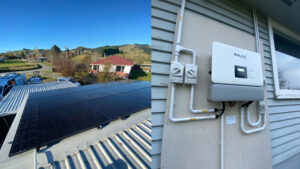
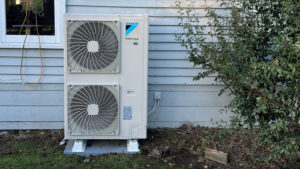
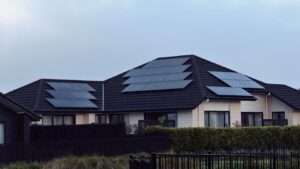
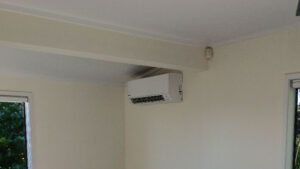
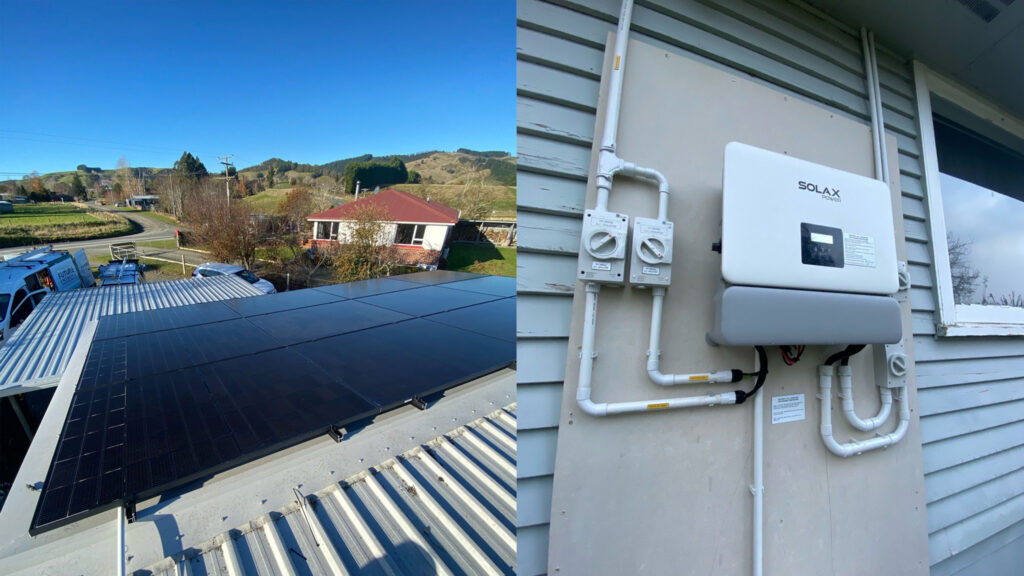
Ducted heat pump and solar NZ packages work best when the two are designed together, and this Milton home shows why. Future Energy installed a zoned ducted heat pump to heat the home room by room, backed by a 13.05kW solar array of 29 Suntech panels, a SolaX VAST 10kW hybrid inverter and battery storage. The solar and battery system is projected to cut the annual electricity bill from around $4,150 to roughly $590, an 86% reduction. That is $3,564 saved in year one, with lifetime savings estimated at $77,083 over 25 years.
The Challenge
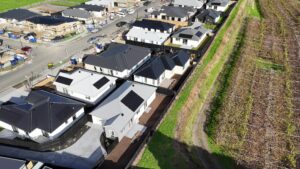
Heating is usually the biggest driver of winter power use, and a ducted heat pump running across a whole home can add a lot to the bill. The homeowners wanted comfortable, controllable heating without letting running costs climb. The roof added a design challenge too, with panels needed across three different roof sections facing east and north. The goal was a system that powered the home and the heat pump from the sun and stored the excess for the evening, when the heating is needed most.
The System
Zoned Ducted Heat Pump
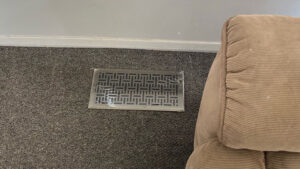
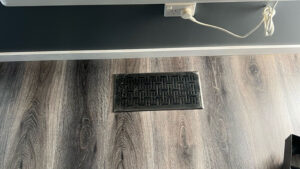
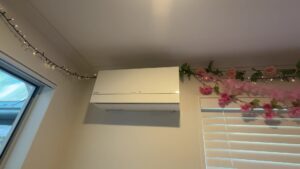
A ducted heat pump heats the home from a single unit through ceiling or underfloor ducts, and zoning lets each area be switched on, off or set to its own temperature. That means the home is only heated where and when it is needed, rather than running the whole house at full output.
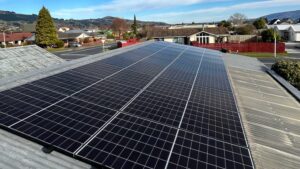
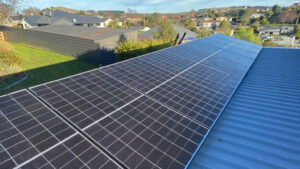
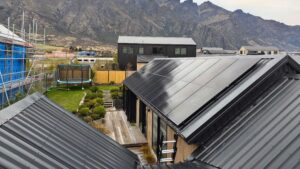
29 Suntech Panels at 13.05kW
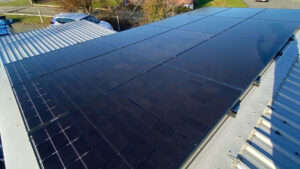
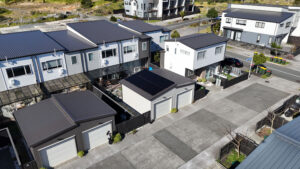
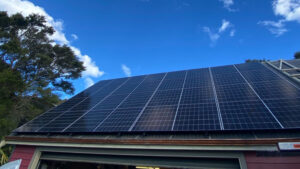
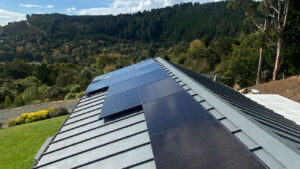
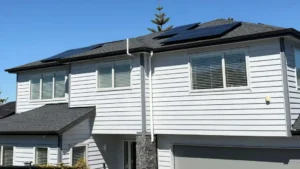
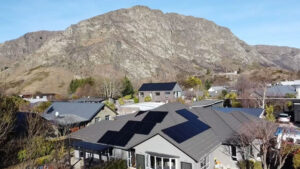
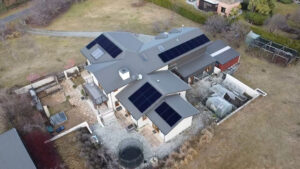
The solar array uses 29 Suntech STP450S panels for a combined output of 13.05kW, split across three roof sections: 12 panels east facing, 15 panels east facing and 2 panels north facing, all at a 23 degree tilt. It is expected to generate around 14,563kWh a year, or about 40kWh a day, with estimated shading losses of just 1%.
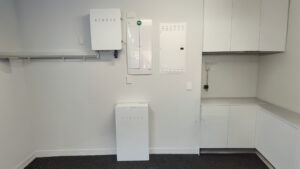
SolaX VAST Hybrid Inverter With Batteries
A SolaX X1 VAST 10K hybrid inverter manages the solar array and the batteries together. Surplus solar is stored for the evening and overnight, which is when a heat pump works hardest, and the inverter’s dual battery ports let storage be expanded later.
The Results
- Zoned ducted heat pump giving room by room control of home heating
- 13.05kW solar array of 29 panels across three roof sections, generating around 14,563kWh a year
- Annual electricity bill projected to fall from around $4,150 to roughly $590, an 86% reduction
- Year 1 savings of $3,564, made up of $2,490 in grid energy savings plus $1,069 in export credits
- 71% of the home’s energy use self powered, with 22.1% of solar generation stored in the batteries
- Estimated lifetime savings of $77,083, an 8 year payback, a 12.4% internal rate of return and 1.7 tonnes of CO2 avoided each year
Warm rooms, only where you want them, powered by the sun.
Frequently Asked Questions
What does zoning mean on a ducted heat pump?
Zoning splits the ducted system into separate areas, such as living spaces and bedrooms, that can each be controlled independently. You only heat the zones you are using, which cuts running costs compared with heating the whole house.
Does solar really help run a heat pump?
Yes. A heat pump is one of the biggest electricity users in a home, so powering it from solar and stored battery energy reduces how much is bought from the grid. In this Milton home, the solar and battery system is projected to self power 71% of the home’s energy use.
Why add a battery to a solar and heat pump system?
Heating demand peaks in the evening and early morning, when solar panels are not producing. A battery stores surplus solar from the day so the heat pump can run on it later, instead of exporting at a low rate and buying back at the full retail price.
How long does a system like this take to pay for itself?
The solar and battery system is projected to pay for itself in 8 years, based on year one savings of $3,564. Over 25 years, estimated savings reach $77,083, with a 12.4% internal rate of return.
Want warmer rooms without bigger bills? Future Energy designs ducted heat pump and solar NZ systems around your home and your usage, so you can see the savings before you commit. Get in touch for a free assessment.