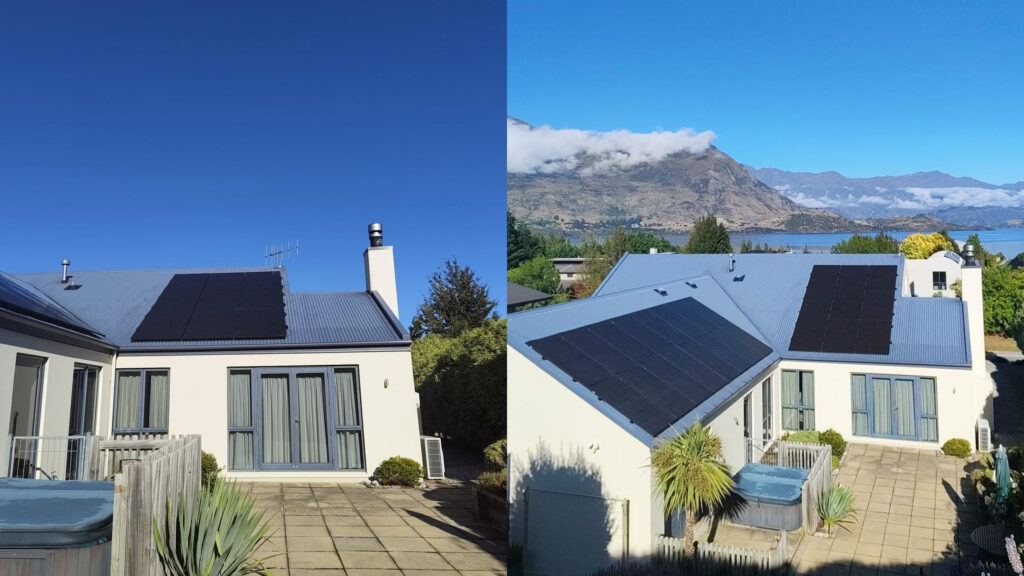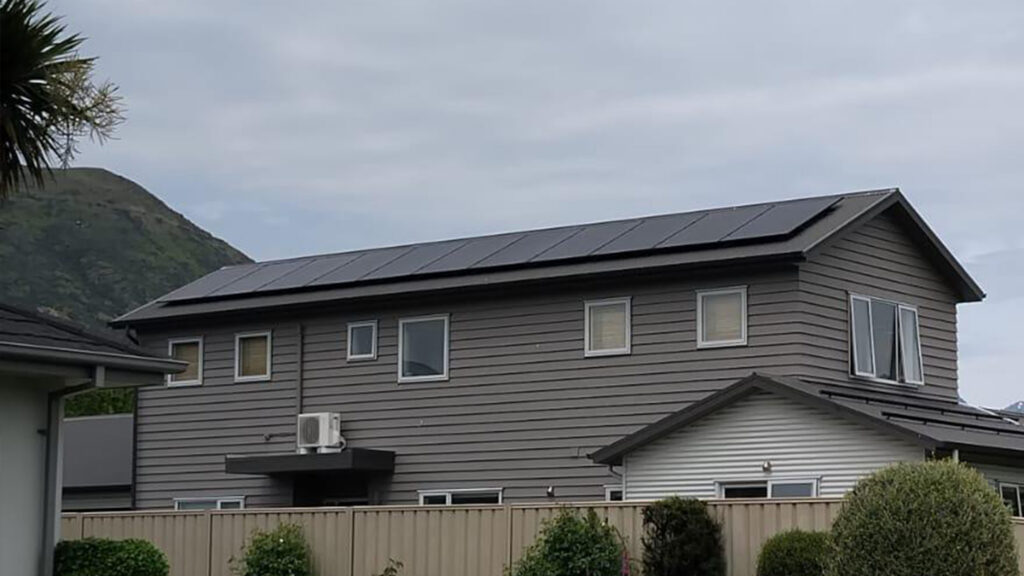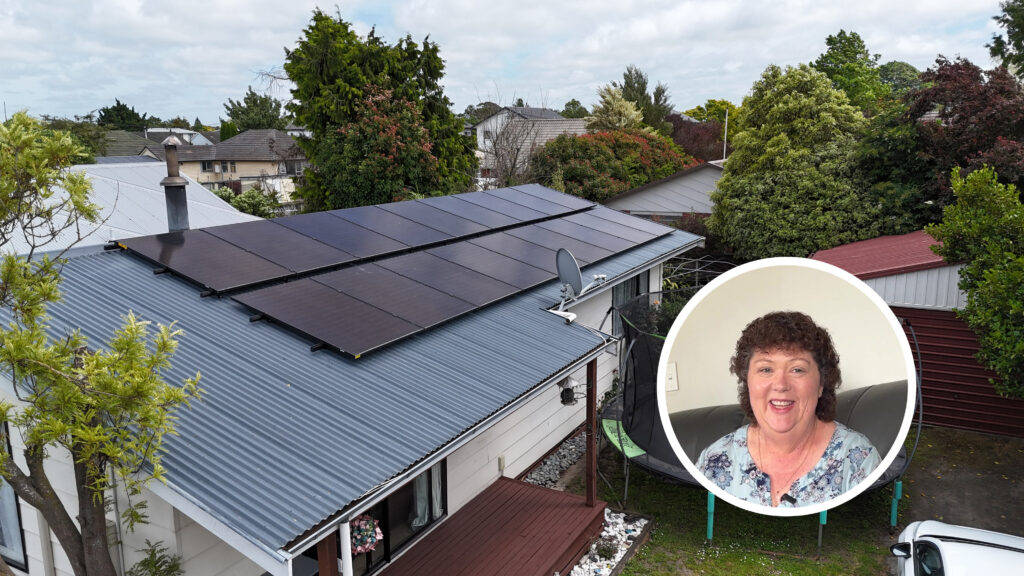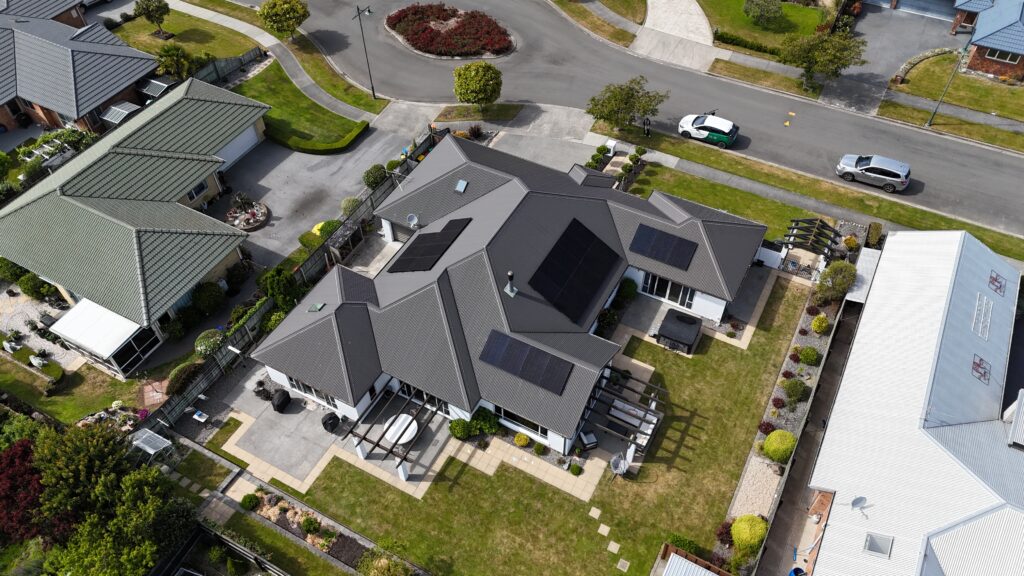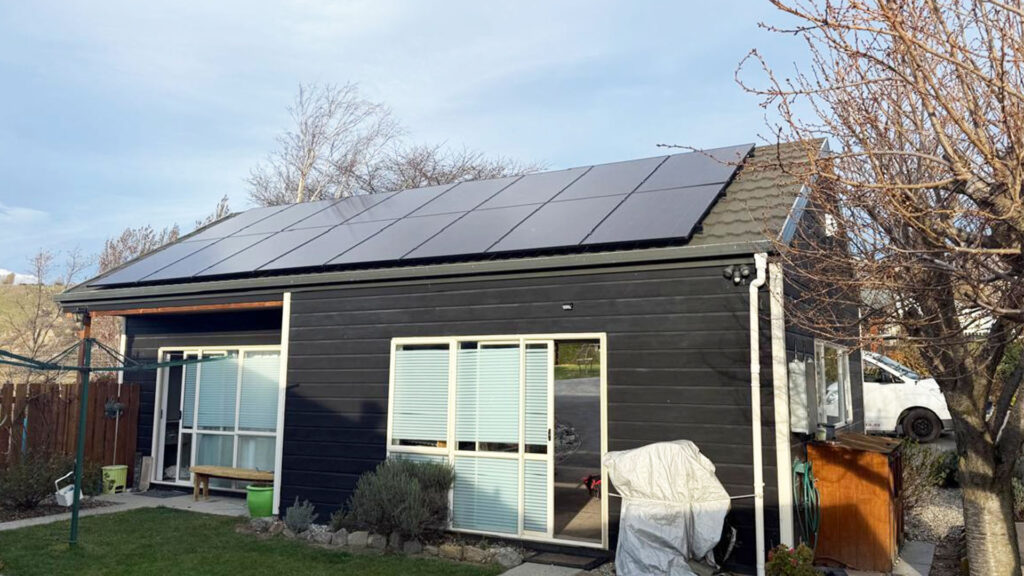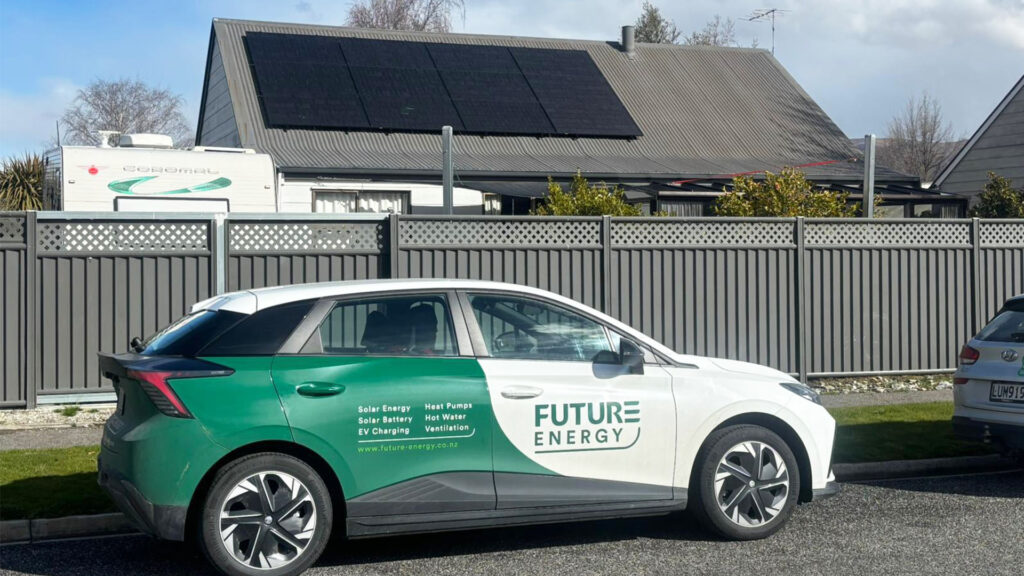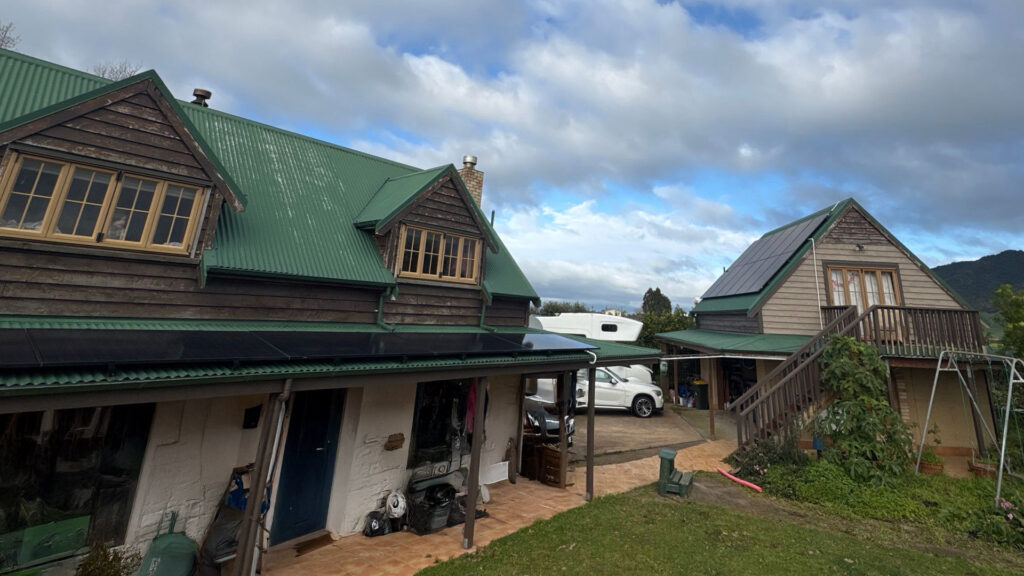
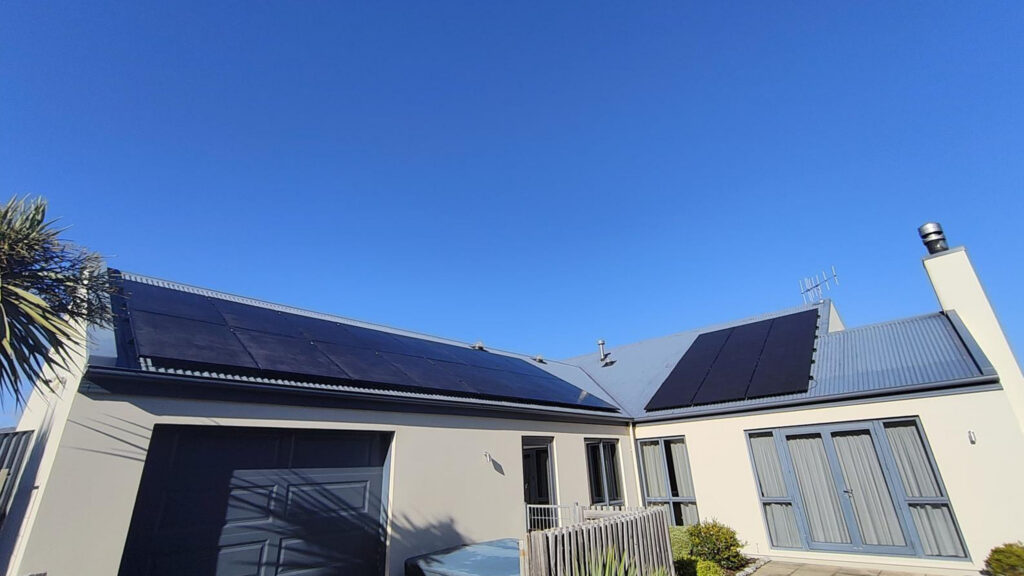
| 25 Panels 450W Suntech | 10kW SolaX Smart Inverter | $2,223 First Year Savings | 5.1 yrs Payback Period |
The Challenge
Heading into retirement, this Wanaka homeowner had one clear priority: reduce outgoings without compromising on comfort. Living in Wanaka, where winters are cold and long, energy bills had always been a significant expense. The home had large consumption year round, and particularly in winter when heating ran well into the evening hours.
With an electric vehicle in the driveway and plans to start charging it at home, the homeowner knew their electricity demand was only going to increase. They wanted to get ahead of that, locking in a system that would handle their current needs and everything they planned to add, without compromising on how they lived.
The Solution
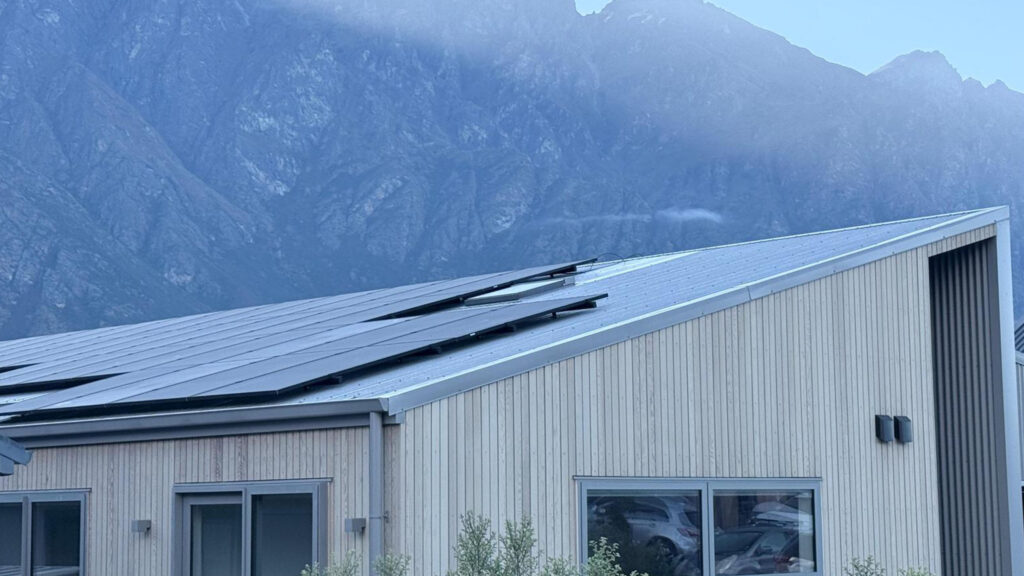
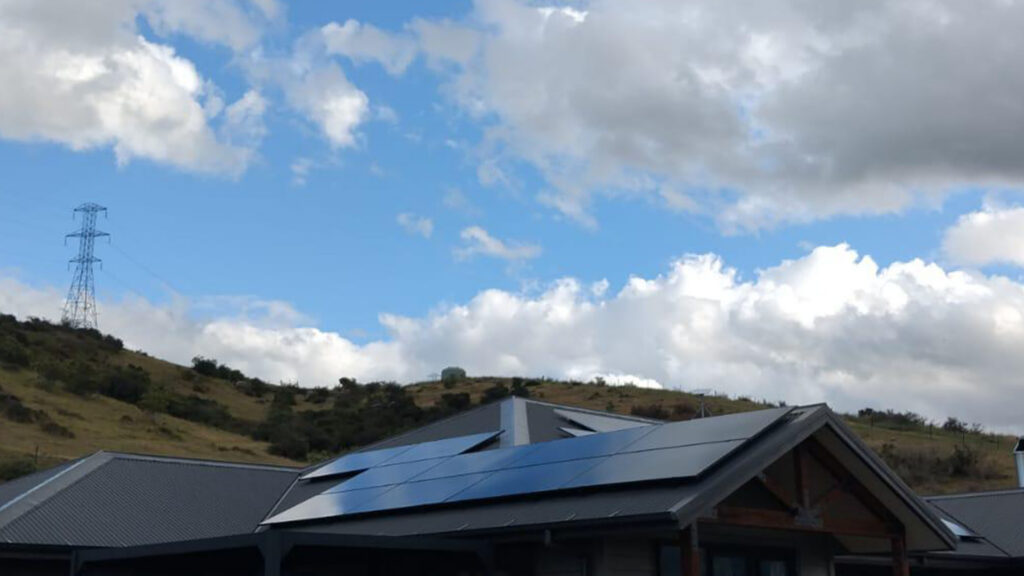
25 x Suntech 450W Panels: More Than Enough by Design
Rather than sizing the system purely to current consumption, Future Energy and the homeowner took a deliberate decision to install more panels than were immediately needed. The 25 x Suntech 450W panel array gives the system headroom to absorb the additional load of EV charging without reducing what is available for the home. It also means more surplus energy is available to store in the battery during the day, extending how long the home can run on stored solar into the evening and overnight.
SolaX X1 Smart 10kW G2 Inverter
The SolaX X1 Smart G2 10kW inverter is a smart, high performance unit well suited to a high consumption home. With three MPP trackers, it handles multi orientation panel layouts with ease and includes 24 hour consumption monitoring so the homeowner can track exactly how their system is performing at any time. The inverter is also battery compatible, meaning storage can be added down the track without replacing the core system – keeping all future options open.
Future Proofed for EV Charging and Battery Storage
With 25 panels generating more than the home’s immediate daily needs, the system has headroom built in for EV charging at home. Surplus solar energy generated during the day can charge the vehicle at minimal cost, effectively eliminating the fuel bill. The SolaX inverter is also EV charger and heat pump compatible, and battery ready when the homeowner decides to take that next step. The system is designed to grow alongside their needs rather than require replacement.
The Results
- $2,223 estimated savings in the first year, reducing the annual bill from $3,510 to $1,290
- 26.3kWh of solar generated daily, covering the majority of the home’s 28kWh daily consumption
- $766 per year in solar export credits earned by selling surplus energy back to the grid
- Estimated payback period of just 5 years and 1 month on the total system investment
- 25 panels sized with future EV charging and battery storage in mind, giving the system plenty of headroom
- Significantly reduced reliance on grid electricity, cutting ongoing outgoings heading into retirement
- A system designed to perform for 25 years, giving the homeowner long term certainty over their energy costs
| Run the heating. Charge the car. Sleep well. That is what energy independence looks like in retirement. Future Energy, Wanaka |
Frequently Asked Questions
Is solar worth it in a cold climate like Wanaka?
Absolutely. While Wanaka winters are cold, the region still receives good solar radiation year round, and summer generation is excellent. The key is pairing solar with a battery so that energy generated during the day can be used at night when heating demand is highest. A well sized system with storage is well suited to cold climate homes with high evening energy use.
Can a solar and battery system really run heating through winter nights?
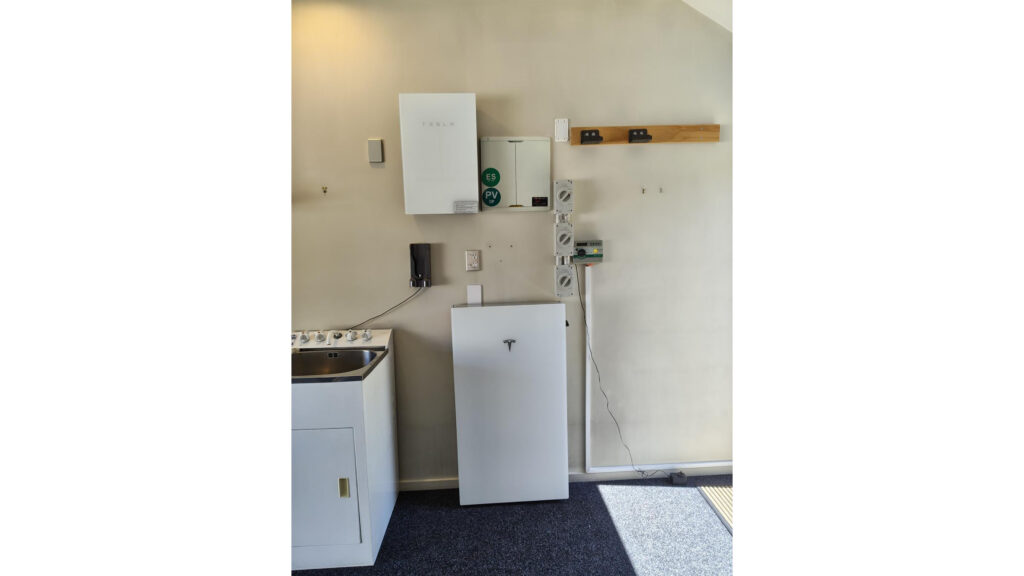
Yes, with the right storage capacity. The Tesla Powerwall 3 provides 13.5kWh of usable energy and up to 10kW of continuous output, which is more than sufficient to run heat pumps and other heating loads through the evening and into the night. In summer, the battery fills quickly and exports surplus energy to the grid. In winter, that stored energy is directed straight to keeping the home warm.
Why install more panels than you currently need?
Future proofing. If you are planning to add EV charging, a hot water heat pump, or any other high demand appliance, it is far more cost effective to size the system for that future load at installation time than to retrofit additional panels later. A larger system also generates more surplus energy for export credits, improving the overall return on investment.
How does the Tesla app help manage energy use?
The Tesla app gives you a real time view of your solar generation, battery state, and home energy consumption. You can set the Powerwall to prioritise self consumption, backup reserve, or time of use savings depending on your goals. If you have a Tesla EV, you can also schedule charging to happen when solar generation is at its peak, maximising how much free energy goes into the car.