Introduction
There’s a financial incentive that most New Zealand business owners haven’t fully acted on yet and it’s transforming the economics of commercial solar NZ businesses are investing in right now. The IRD’s Investment Boost scheme allows businesses to immediately deduct 20% of the cost of new eligible assets, including commercial solar systems, in the year they’re acquired and installed.
Pair that with low-interest green financing from NZ’s major banks, and electricity prices that rose by over 22% in a single year, and the case for commercial solar in 2026 has never been more straightforward.
At Future Energy, we’re seeing the numbers in real time. Commercial solar investment across New Zealand is up 20% and the businesses driving that growth aren’t waiting for a government rebate that may never come. They’re using the tools already available.
What the IRD Investment Boost actually means for your business
The Investment Boost is a tax deduction, not a rebate or a grant, but it’s genuinely valuable. When your business purchases and commissions a new commercial solar system, you can deduct 20% of the full system cost in your first-year tax return. On a $150,000 installation, the Investment Boost reduces your taxable income by $30,000 in year one, saving a company on the 28% tax rate $8,400 in real cash immediately.
This applies to the full scope of a commercial sustainable energy system: solar panels, solar battery storage, EV fleet charging infrastructure, and commercial air conditioning systems where they form part of the same energy project.*
It’s one of the most straightforward incentives NZ businesses have had access to in years, and it’s available right now.
The economics of commercial solar in New Zealand
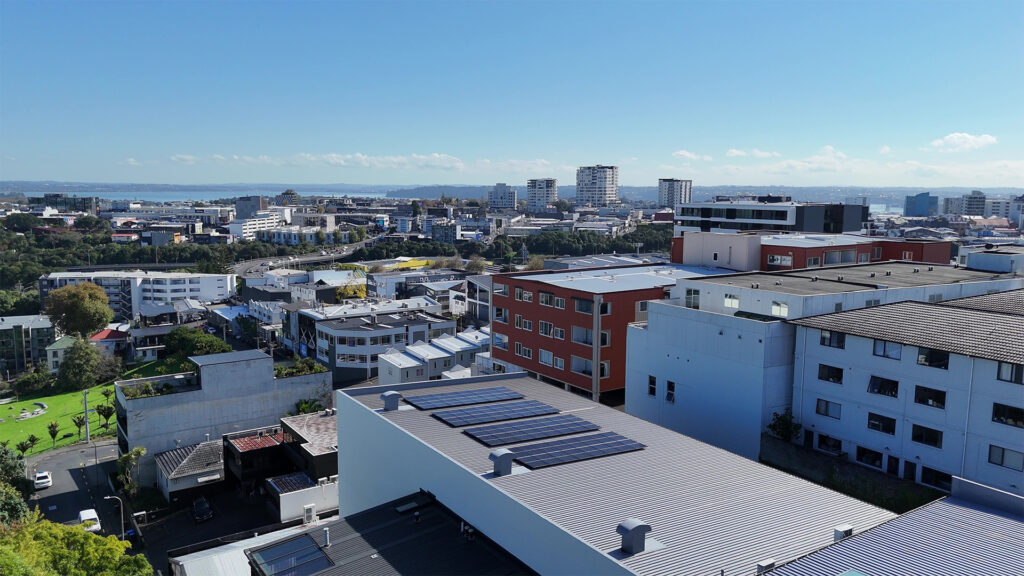
Commercial solar system costs in NZ currently range from around $1,400 to $1,800 per kW installed. A typical commercial system for a mid-sized business might sit between 50kW and 200kW, meaning a total investment range of roughly $70,000 to $360,000 before the Investment Boost deduction.
Most well-designed commercial solar systems in New Zealand achieve payback within 5 to 7 years. With system lifespans of 25+ years and grid electricity prices continuing to rise, the remaining 18–20 years represent near-pure operating cost savings.
NZ’s electricity retailers also offer buy-back rates for surplus energy exported to the grid, ranging from around 10c to 40c per kWh depending on your retailer and time of day. A well-sized system with battery storage can significantly reduce what you export while maximising self-consumption and give you resilience against grid outages and peak pricing events.
Beyond panels: the full commercial energy ecosystem
The smartest commercial solar projects Future Energy delivers aren’t just about putting panels on a roof. They’re integrated energy systems designed around your business’s specific load profile. That means:
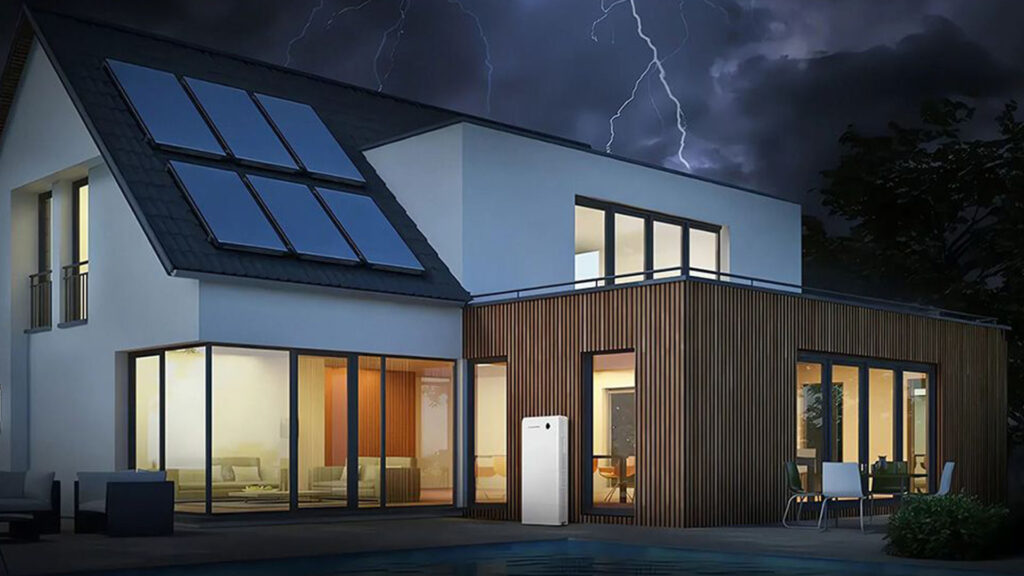
Solar battery storage: capturing surplus daytime generation for use during evenings and peak pricing windows. Battery storage dramatically reduces grid dependency and provides backup power continuity during outages. For NZ businesses that experienced disruptions during Cyclone Gabrielle and subsequent weather events, this is no longer a theoretical benefit.
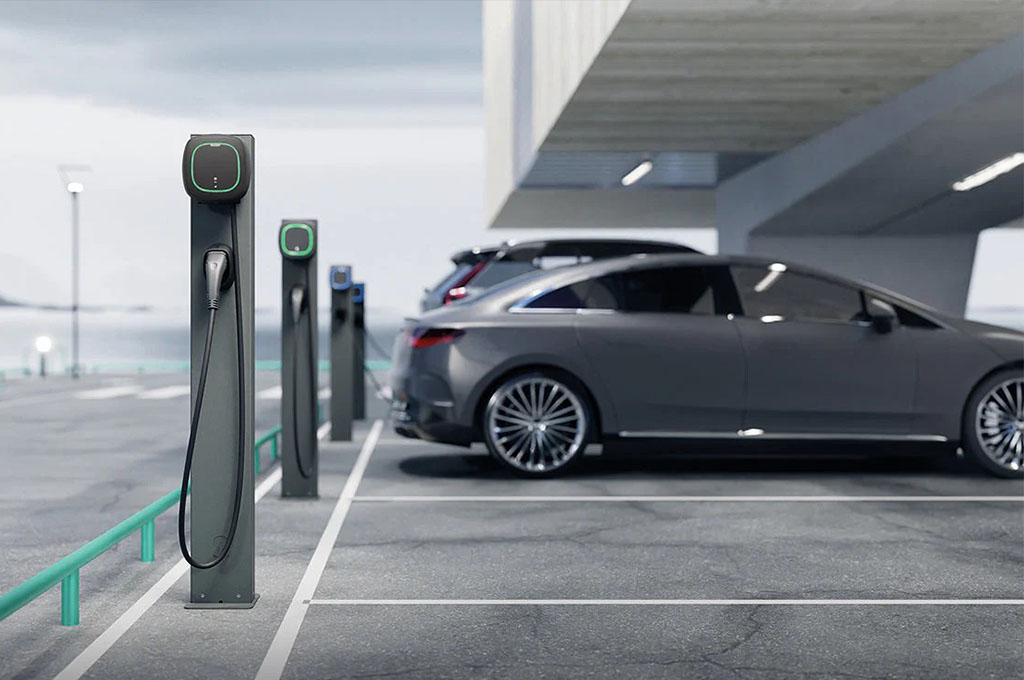
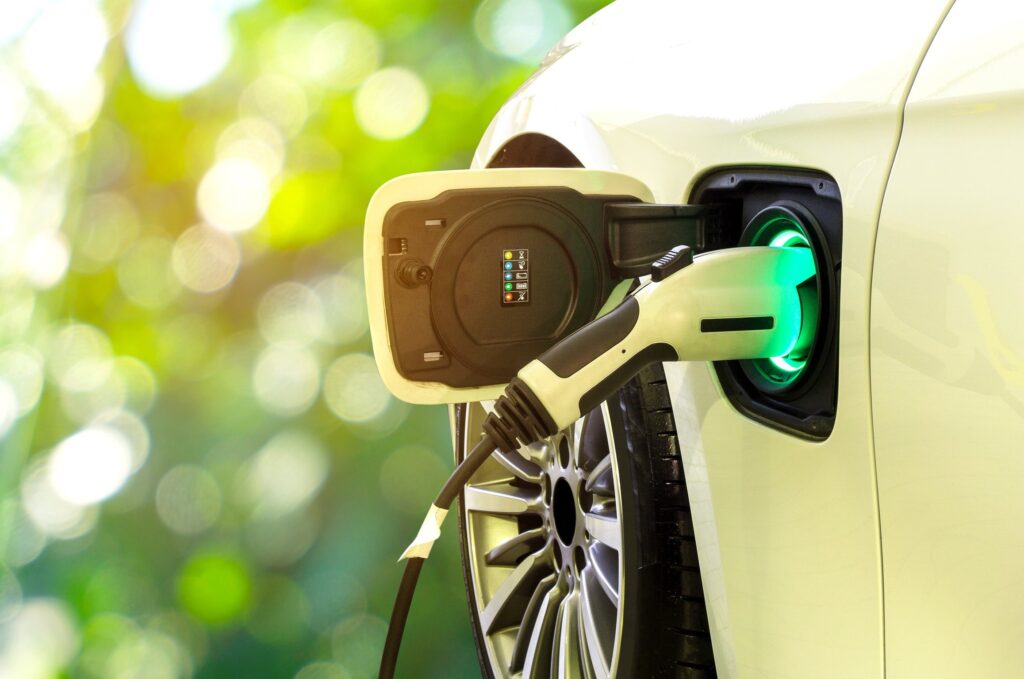
Electric vehicle fleet charging: New Zealand’s commercial fleet electrification is accelerating. If your business operates vehicles, solar-powered EV fleet charging lets you fuel your fleet from your own roof. For operators running 5 or more vehicles, the combined savings on fuel and electricity can shorten the payback period on the entire energy system significantly.
Commercial air conditioning systems: HVAC is frequently the single largest electricity draw in a commercial building. Pairing air conditioning systems with on-site solar generation cuts cooling and heating costs substantially and in NZ’s mixed climate, heating loads make this particularly relevant year-round.
When commercial solar, battery storage, EV fleet charging, and HVAC optimisation are designed together, the economics compound. You’re not saving in one area; you’re restructuring your entire energy cost base.
Payment options: you don’t need to pay it all upfront
One of the most common misconceptions we encounter is that commercial solar requires a large capital outlay. It doesn’t have to. Future Energy works with businesses across a range of finance structures:
Commercial green loans – NZ’s major banks (Westpac, ASB, BNZ, ANZ) all offer dedicated green energy financing at competitive rates. Combined with the IRD Investment Boost deduction, loan repayments are often lower than the monthly electricity savings from day one.
Power Purchase Agreements (PPAs) offer a zero-upfront model where Future Energy installs and owns the system, and you purchase the power it generates at a contracted rate below your current grid tariff. No capital required. You simply pay less for electricity from the moment the system switches on.
Operating leases are similar to PPAs, leasing structures keep the asset off your balance sheet and convert a capital expense into a predictable operational cost.
We’ll help you model which structure gives your business the best financial outcome based on your tax position, cash flow, and energy usage.
A practical example
A logistics business in Auckland running a 100kW commercial solar system with a 50kWh battery and 4-bay EV fleet charging infrastructure might look like this:
- System cost: ~$200,000 installed
- IRD Investment Boost deduction (year 1): $40,000
- Estimated annual electricity savings: $28,000 – $35,000
- Annual EV fuel displacement savings: $8,000 – $12,000
- Effective payback period: 4–5 years
- 20-year net saving (after payback): $600,000+
These are indicative figures your actual numbers depend on your usage profile, location, and system design. Future Energy provides a detailed financial model as part of every commercial assessment.
Why Future Energy?
Future Energy is a New Zealand commercial energy specialist. We design, supply, install, and support complete commercial solar, battery, EV charging, and HVAC solutions for NZ businesses, from initial feasibility through to long-term performance monitoring.
We’re not a panel reseller. We’re an energy partner. And right now, with the IRD Investment Boost in place, regulatory barriers at their lowest ever, and electricity prices continuing to climb, the timing for New Zealand businesses to act has genuinely never been better.
Frequently asked questions
What is the IRD Investment Boost and does it apply to commercial solar in New Zealand?
The IRD Investment Boost is a tax deduction introduced in May 2025 that allows NZ businesses to deduct 20% of the cost of new eligible assets in the year they are purchased and first used. Commercial solar systems are eligible assets under this scheme. The deduction reduces your taxable income, it is not a cash rebate. For example, on a $150,000 solar system, the deduction reduces your taxable income by $30,000, saving a business on the 28% company tax rate $8,400 in actual cash at tax time. We recommend confirming the specifics of your situation with a registered tax advisor.
How much does a commercial solar system cost in New Zealand in 2026?
Commercial solar system costs in NZ currently range from approximately $1,400 to $1,800 per kW of installed capacity. A 50kW system typically costs $70,000–$90,000, a 100kW system $140,000–$180,000, and a 200kW system $280,000–$360,000. These are installed costs including design, supply, and commissioning. Prices vary based on roof type, location, system complexity, and whether battery storage or EV charging is included. Future Energy provides a detailed, no-obligation quote for every commercial enquiry.
Do NZ businesses need a building consent to install commercial solar panels?
No, as of late 2025, building consent is no longer required for most commercial rooftop solar installations in New Zealand. The government extended the building consent exemption (previously residential-only) to all buildings, significantly streamlining the installation process for commercial properties. For installations over 40 square metres in high wind speed areas, a chartered professional engineer must review the design, but no consent is required. This change removes a key barrier that previously added cost and time to commercial solar projects.
Ready to see what commercial solar looks like for your business
Book a no-obligation commercial energy assessment with Future Energy today. We’ll model your system, your savings, and your finance options and show you exactly what the Investment Boost means for your bottom line.
Book Your Energy Consultation Today
*This blog is intended for general information purposes only. Future Energy are not registered financial advisors or tax specialists. The figures and examples provided are indicative only and may not reflect your specific circumstances. We recommend seeking independent financial and tax advice before making any investment decisions.